Wafer vs Lug Butterfly Valves: Key Differences
1. Introduction
Butterfly valves are available in two common end connection styles for flanged piping systems: wafer and lug. While they look similar, the differences in design, installation, maintenance, and application suitability are significant.
Choosing the wrong type can lead to increased downtime, unsafe maintenance conditions, or system failure.
This guide provides a clear, technical comparison to help procurement professionals and engineers select the right style for their project.
2. Quick Overview – Wafer vs Lug Butterfly Valve
| Feature | Wafer Type | Lug Type |
|---|---|---|
| Design | Flat body with alignment holes | Threaded inserts (lugs) on both sides |
| Installation | Sandwiched between two flanges | Bolted directly to each flange |
| Removal | Requires depressurizing both pipe sides | Allows downstream pipe removal without system drain |
| Dead-End Service | Not suitable | Suitable (with blind flange) |
| Weight | Lighter | Heavier |
| Cost | Lower | Higher (15–25% more) |
| Typical Size Range | 2" – 80" (DN50 – DN2000) | 2" – 48" (DN50 – DN1200) |
3. Detailed Comparison Table
| Parameter | Wafer Butterfly Valve | Lug Butterfly Valve |
|---|---|---|
| Body Construction | One-piece ring with no threaded holes | Two sets of threaded lugs (top/bottom) |
| Mounting | Centered between two flanges using long bolts | Bolted separately to each flange |
| Bolt Pattern | Bolts pass through both flanges and valve body | Each flange has its own bolts into lugs |
| System Drain Required for Removal? | Yes – both pipe sides must be drained | No – downstream side can be removed independently |
| Dead-End Service | No (valve will leak if downstream flange removed) | Yes (upstream bolts hold valve against blind flange) |
| Gasket Requirement | Gaskets on both sides (between flanges and valve) | Gaskets on both sides (same as wafer) |
| Alignment | Requires centering between flanges (alignment lugs helpful) | Self-aligning via threaded lugs |
| Maximum Pressure | Up to 250 PSI (PN16) for rubber-lined; higher for metal-seated | Same pressure rating as equivalent wafer |
| Maximum Size | 80" (2000 mm) | 48" (1200 mm) |
| Typical Applications | Water, HVAC, air, general industrial | Chemical, oil & gas, dead-end lines, maintenance-heavy systems |
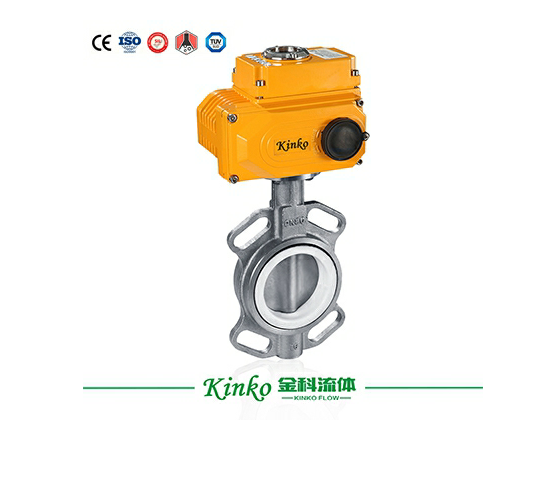
4. Installation Differences – Step by Step
Wafer Type Installation
-
Place valve between two flanges
-
Insert gaskets on both sides
-
Insert long bolts through one flange → valve body → second flange
-
Tighten nuts
-
Result: Valve is clamped between flanges by bolt tension
Lug Type Installation
-
Place valve between two flanges
-
Insert gaskets on both sides
-
Bolt upstream flange to upstream lugs (short bolts)
-
Bolt downstream flange to downstream lugs (short bolts)
-
Result: Each flange is independently bolted to the valve
5. Critical Difference: Dead-End Service
What is dead-end service?
When a valve is closed and the downstream pipe is removed or blanked off (blind flange), the valve must hold pressure from the upstream side only.
| Situation | Wafer | Lug |
|---|---|---|
| Downstream pipe removed – valve closed | Upstream pressure pushes valve out of flanges – leaks or blows out | Upstream bolts hold valve securely against blind flange – safe |
| Dead-end pressure rating | Not rated | Full pressure rating |
KINKO warning: Never use a wafer butterfly valve for dead-end service. Use lug type or install a blind flange on the downstream side.
6. Maintenance & Removal Comparison
| Maintenance Task | Wafer Type | Lug Type |
|---|---|---|
| Replace valve in same position | Drain entire line + remove both flanges | Drain only upstream side + remove downstream flange |
| Inspect downstream piping | System shutdown required | No shutdown – valve stays closed and bolted upstream |
| Time to remove valve | 30–60 minutes (full drain) | 15–20 minutes (no drain) |
| Risk of fluid loss | High (system drained) | Low (only upstream side exposed) |
Verdict: Lug valves significantly reduce maintenance downtime in systems that require frequent downstream access.
7. Cost & Weight Comparison (6" Butterfly Valve, Ductile Iron)
| Parameter | Wafer (KBF-LT) | Lug (KBF-LT) |
|---|---|---|
| Weight | ~8 kg (17.6 lbs) | ~11 kg (24.2 lbs) |
| Body material | Ductile iron | Ductile iron |
| Bolts required | 4 long bolts (through both flanges) | 8 short bolts (4 per flange) |
| Typical price | $120 | $150 (+25%) |
Lug valves are heavier and more expensive due to additional material and machining for threaded lugs.
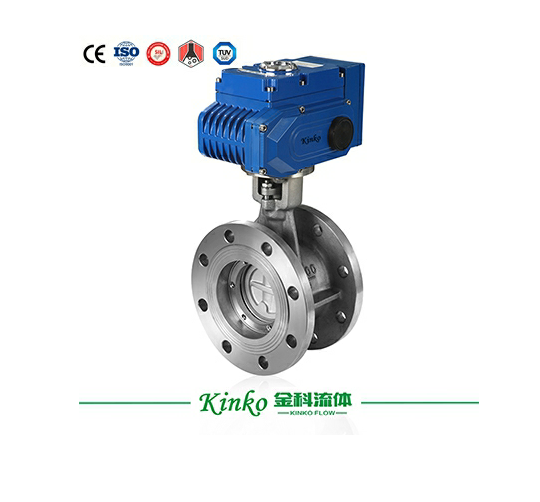
8. Selection Guide – Which One Should You Choose?
Choose Wafer Butterfly Valve when:
-
Standard water, HVAC, or air service
-
No dead-end service required
-
Budget is a primary concern
-
System is always fully piped (no frequent downstream removal)
-
Large diameter (>24") – wafer is more practical
Choose Lug Butterfly Valve when:
-
Dead-end service required (downstream pipe may be removed)
-
Frequent maintenance or downstream access needed
-
Chemical, oil & gas, or industrial processes
-
Plant safety requires minimizing fluid drainage
-
System may have future modifications
9. KINKO Butterfly Valve Offerings
| Series | Wafer Available | Lug Available | Size Range | Max Pressure |
|---|---|---|---|---|
| KBF-LT (Concentric) | Yes | Yes | 2"–24" | 250 PSI (PN16) |
| KBF-HP (Double Offset) | Yes | Yes | 2"–36" | 740 PSI (Class 300) |
| KBF-TO (Triple Offset) | Yes | Yes | 3"–48" | 1500 PSI (Class 600) |
| KBF-SAN (Sanitary) | No (clamp only) | No | 1"–12" | 150 PSI |
All KINKO lug butterfly valves include:
-
Threaded lugs (standard BSPP or NPT threads)
-
ISO 5211 mounting pad
-
SS316 stem as standard
-
Replaceable seat
10. One-Page Decision Summary
| Your Requirement | Recommended Type |
|---|---|
| Lowest cost | Wafer |
| Lightest weight | Wafer |
| Large diameter (>24") | Wafer |
| Dead-end service | Lug |
| Frequent downstream pipe removal | Lug |
| Chemical / hazardous media | Lug |
| Minimize system drainage during maintenance | Lug |
| Standard water / HVAC line | Wafer |
11. Common Mistakes to Avoid
| Mistake | Consequence |
|---|---|
| Using wafer valve for dead-end service | Valve blows out of flanges – major leak |
| Overtightening wafer valve bolts | Crushed body or seat – valve fails to seal |
| Forgetting gaskets (both sides) | Leakage between flange and valve body |
| Using wrong bolt length for wafer | Bolts too short – insufficient clamp force |
| Misaligning wafer valve | Disc contacts pipe flange – damage to disc/seat |
12. Conclusion
The choice between wafer and lug butterfly valves comes down to three factors:
-
Dead-end service? (Yes → Lug)
-
Maintenance frequency? (High → Lug)
-
Budget? (Tight → Wafer)
For standard water, HVAC, and general industrial lines where both pipe sides remain connected, wafer is the economical choice. For chemical, oil & gas, dead-end lines, or frequent maintenance access, lug is worth the extra cost.
KINKO offers both configurations with full traceability, test reports, and ISO 5211 actuation readiness.
Ivan (Mobile:+86-18968769287)
WhatsApp:+86-13579991606
Wechat:+86-18968769287
Website: www.kinko-flow.com
ZHEJIANG KINKO FLUID EQUIPMENT CO.,LTD
