Pneumatic vs Motorized Butterfly Valves: Comparison
1. Introduction
Butterfly valves are widely used for on/off and throttling control. But the valve body is only half the solution – actuation determines speed, control accuracy, safety, and operating cost.
The two most common automated actuation types are:
-
Pneumatic (air-operated) – fast, simple, explosion-proof
-
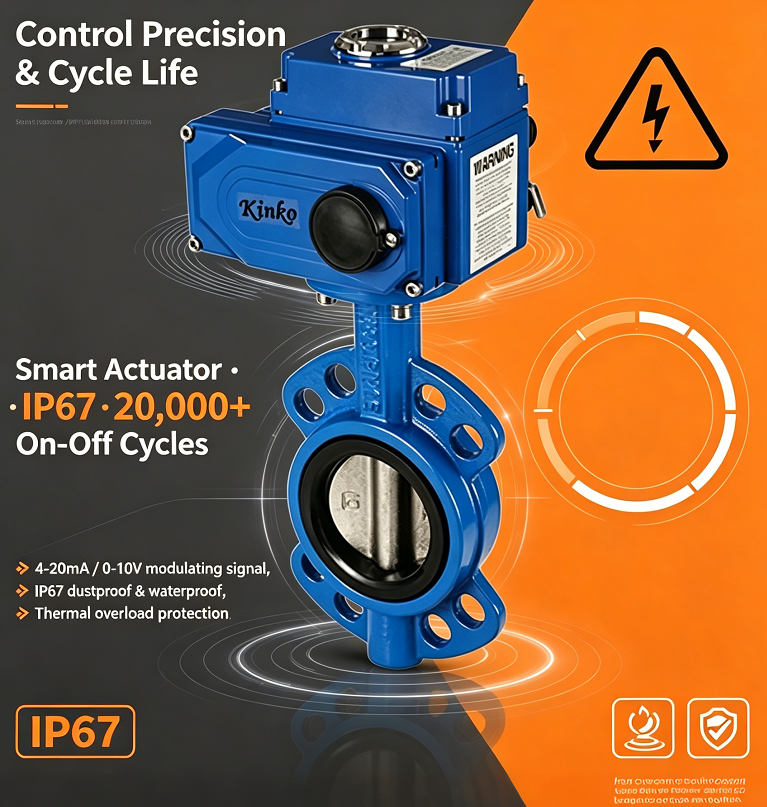
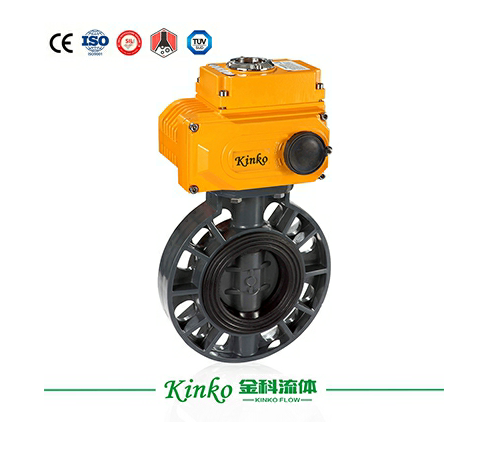
Motorized (electric) – precise, no air supply needed, suitable for remote control
This guide compares both types across key parameters to help procurement professionals select the right actuation for their application.
2. Quick Comparison Table – Pneumatic vs Motorized Butterfly Valves
| Parameter | Pneumatic Actuator | Motorized (Electric) Actuator |
|---|---|---|
| Power Source | Compressed air (4–8 bar) | Electricity (24V DC, 110V AC, 220V AC) |
| Operating Speed | Fast (0.5–3 seconds) | Slow (5–30+ seconds per 90°) |
| Control Type | On/off or modulating (with positioner) | On/off or modulating (4-20mA, 0-10V) |
| Positioning Accuracy | ±1% (with positioner) | ±0.5% to ±1% |
| Fail-Safe | Yes (spring-return) – auto close/open on air loss | No (requires battery backup or spring-return electric) |
| Explosion-Proof | Inherently safe (no sparks) | Requires special enclosure (ATEX / Explosion-proof) |
| Duty Cycle | 100% (continuous) | Typically 25–50% (motor needs cooling) |
| Initial Cost | Low to medium | Medium to high |
| Operating Cost | Air compressor energy + maintenance | Low electricity cost |
| Maintenance | Regular (air filtration, lubrication, seals) | Low (gear lubrication only) |
| Temperature Range | -20°C to +80°C (standard) / -40°C to +150°C (extreme) | -10°C to +60°C (standard) |
| Feedback Signal | Limit switches / proximity sensors | Built-in feedback (4-20mA, dry contacts) |
| Torque Range | Up to 4000+ Nm | Up to 3000+ Nm |
| Best For | Fast cycling, hazardous areas, fail-safe required | Remote locations, no air supply, precise control |
3. Detailed Comparison by Selection Criteria
3.1 Speed of Operation
| Requirement | Recommended Actuation |
|---|---|
| Fast shut-off (< 1 second) | Pneumatic (double-acting) |
| Moderate speed (2–5 seconds) | Pneumatic or electric |
| Slow, gentle opening (10+ seconds) | Electric (modulating) |
KINKO note: For water hammer prevention, slow electric actuation is preferred. For emergency shut-down (ESD), pneumatic spring-return is standard.
3.2 Fail-Safe Requirement
| Scenario | Pneumatic | Motorized |
|---|---|---|
| Close on power/air loss | Spring-return (air to open) | Requires battery backup or capacitor |
| Open on power/air loss | Spring-return (air to close) | Requires battery backup |
| Stay put on failure | Double-acting (no spring) | Yes (electric brake holds position) |
Verdict: Pneumatic is superior for fail-safe applications.
3.3 Hazardous / Explosive Environment
| Environment | Pneumatic | Motorized |
|---|---|---|
| Zone 0, 1, 2 (gas) | Safe (no electrical components) | Requires explosion-proof (Ex d) enclosure – expensive |
| Zone 21, 22 (dust) | Safe | Requires dust-ignition-proof enclosure |
| Outdoor / wet | Requires clean, dry air | Requires IP65+ enclosure |
Verdict: Pneumatic is inherently explosion-proof – no special enclosure needed.
3.4 Control Accuracy
| Control Type | Pneumatic | Motorized |
|---|---|---|
| On/Off (open/close) | Excellent (limit switches) | Excellent |
| Modulating (throttling) | Good (with I/P positioner) | Excellent (built-in PID control) |
| Positional accuracy | ±1% | ±0.5% |
Verdict: Electric is better for precise modulating control.
3.5 Availability of Air Supply
| Situation | Recommendation |
|---|---|
| Plant has existing compressed air line | Pneumatic (low incremental cost) |
| Remote location / no air compressor | Motorized (only needs electrical power) |
| Mobile equipment / skid | Motorized (simpler installation) |
3.6 Duty Cycle & Continuous Operation
| Duty Cycle | Pneumatic | Motorized |
|---|---|---|
| Occasional operation (once per hour) | Both suitable | Both suitable |
| Frequent cycling (10+ times/minute) | Pneumatic (100% duty) | Electric motor may overheat |
| Continuous modulating | Pneumatic (with positioner) | Electric (requires high duty cycle motor – expensive) |
Verdict: Pneumatic handles high cycling rates without overheating.
4. Cost Comparison (Typical 6" Butterfly Valve)
| Cost Component | Pneumatic | Motorized |
|---|---|---|
| Valve body (KBF-LT, 6", wafer) | $120 | $120 |
| Actuator | 150(������−������)/150(double−acting)/220 (spring-return) | 300(��/���)/300(on/off)/500 (modulating) |
| Solenoid valve | $30 | Not required |
| Positioner (if needed) | $200 (I/P) | Built-in (modulating models) |
| Installation | Air line + filtration | Electrical wiring + conduit |
| Total typical cost | 300–300–550 | 420–420–650 |
Pneumatic is generally 20–30% lower upfront cost for on/off applications.
5. Selection Guide – Which One Should You Choose?
Choose Pneumatic Butterfly Valve when:
-
Fast operation required (< 3 seconds)
-
Fail-safe (spring-return) is mandatory
-
Plant has existing compressed air system
-
Hazardous / explosive environment (no electrical sparks)
-
High cycle rate (frequent opening/closing)
-
Budget is tight for upfront purchase
Choose Motorized Butterfly Valve when:
-
No compressed air available at the valve location
-
Remote monitoring and control needed (SCADA, PLC)
-
Precise modulating control required (e.g., flow regulation)
-
Low maintenance and low operating cost are priorities
-
Speed is not critical (slow opening acceptable)
-
Operating in very cold climates (air lines may freeze)
6. KINKO Actuator Options for Butterfly Valves
| Actuator Type | Series | Torque Range | Supply Voltage / Air Pressure | Key Features |
|---|---|---|---|---|
| Pneumatic (Rack & Pinion) | KPA Series | 5–4000 Nm | 4–8 bar (60–115 PSI) | Double-acting or spring-return, ISO 5211 |
| Pneumatic (Scotch Yoke) | KPS Series | 100–15000 Nm | 4–8 bar | High torque, large valves (10"+) |
| Electric (On/Off) | KEA Series | 10–3000 Nm | 24V DC, 110V AC, 220V AC | IP67, manual override, limit switches |
| Electric (Modulating) | KEM Series | 10–3000 Nm | 24V DC, 110V AC, 220V AC | 4-20mA input, 0.5% accuracy, PID control |
All KINKO actuators come with:
-
ISO 5211 direct mounting (no bracket needed for KINKO butterfly valves)
-
Manual override as standard
-
Visual position indicator
-
Weatherproof (IP65/IP67)
7. Summary – One-Page Decision Matrix
| Your Priority | Best Choice |
|---|---|
| Fastest operation | Pneumatic |
| Fail-safe required | Pneumatic (spring-return) |
| Explosion-proof needed | Pneumatic |
| High cycle rate | Pneumatic |
| No air supply available | Motorized |
| Precise modulation | Motorized |
| Remote SCADA control | Motorized |
| Lowest operating cost | Motorized |
| Lowest upfront cost | Pneumatic |
| Very cold environment | Motorized (air lines can freeze) |
8. Conclusion
Both pneumatic and motorized butterfly valves have their place in industrial systems.
-
Pneumatic is the workhorse for fast, fail-safe, hazardous-area applications where compressed air is available.
-
Motorized is the choice for precision, remote control, and locations without air infrastructure.
KINKO offers both actuation types fully assembled and tested on our KBF butterfly valve series – ready to install, with full documentation.
Ivan (Mobile:+86-18968769287)
WhatsApp:+86-13579991606
Wechat:+86-18968769287
Website:www.kinko-flow.com
ZHEJIANG KINKO FLUID EQUIPMENT CO.,LTD
