Top Features to Look for in Industrial Electric Actuators
Top Features to Look for in Industrial Electric Actuators
1. Torque Output and Sizing
The most fundamental factor when selecting an electric actuator is torque output. An undersized actuator may fail to operate the valve, while an oversized unit adds unnecessary cost and complexity.
| Valve Type | Recommended Torque Margin |
|---|---|
| Quarter-turn ball valves | +20–30% above break torque |
| Butterfly valves | +15–25% above break torque |
| Plug valves | +25–35% above break torque |
Always verify torque requirements based on actual operating conditions, including pressure, temperature, and media type.
2. Fail-Safe Functionality
In critical applications, fail-safe operation is non-negotiable. Electric actuators with spring-return or battery backup ensure that valves return to a safe position (open or closed) in case of power failure.
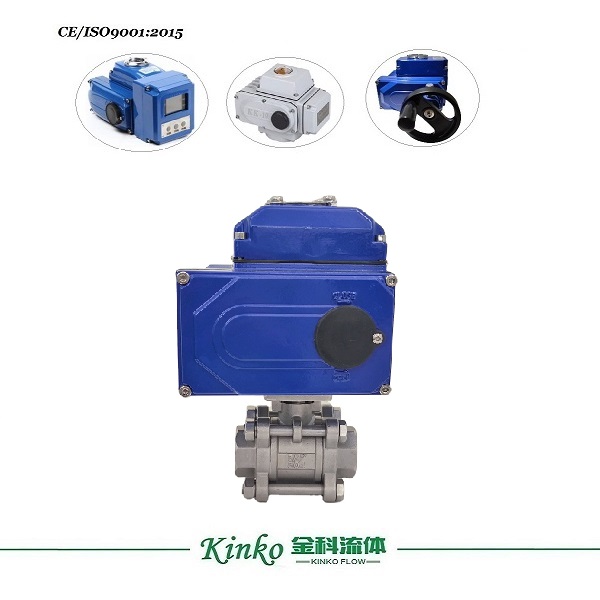
Kinko offers a range of electric actuators with integrated fail-safe options, ideal for:
-
Emergency shutdown systems
-
Fire-safe applications
-
Unattended remote installations
3. Enclosure Rating and Environmental Protection
Industrial environments vary widely — from clean indoor facilities to harsh outdoor installations with dust, moisture, and corrosive elements.
| Enclosure Rating | Protection Level | Typical Applications |
|---|---|---|
| IP67 | Dust-tight, temporary immersion | Outdoor, wash-down areas |
| IP68 | Continuous immersion | Submersible installations |
| ATEX / IECEx | Explosion-proof | Petrochemical, mining, hazardous zones |
For long-term reliability, always match the enclosure rating to the site conditions.
4. Control Options and Communication Protocols
Modern industrial automation demands flexibility in control. A high-quality electric actuator should support multiple control modes:
-
On/Off (Relay) Control – Simple open/close operations
-
Modulating (Analog) Control – 4–20 mA or 0–10 V for precise positioning
-
Digital Communication – Modbus RTU, Profibus, CANopen, or industrial Ethernet protocols
Integration with PLC, SCADA, or building management systems becomes seamless when actuators offer compatible communication interfaces.
5. Manual Override Mechanism
Even in highly automated systems, the ability to manually operate a valve during installation, maintenance, or power outages is critical.
Look for electric actuators with:
-
Handwheel for easy manual operation
-
Manual lever with declutch mechanism
-
External operation capability without removing covers
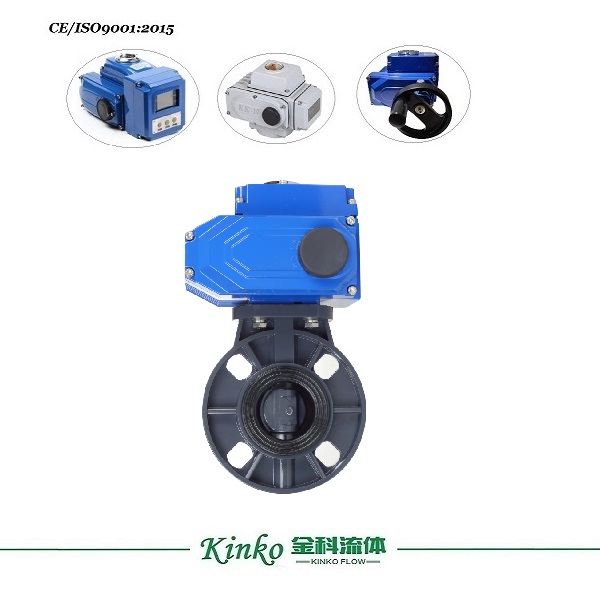
Kinko electric actuators are designed with user-friendly manual overrides to ensure operational continuity.
6. Duty Cycle and Operating Frequency
Not all applications require continuous operation. Understanding the actuator’s duty cycle (e.g., S2 15 min, S4 50%) helps avoid overheating and premature wear.
| Duty Cycle Type | Typical Use Case |
|---|---|
| S2 – Limited time | Intermittent operation, positioning valves |
| S4 – Intermittent with starting | Frequent start-stop, automated production lines |
| S5 – Intermittent with electric braking | High-precision positioning applications |
Selecting the correct duty cycle ensures longevity and reliability in your specific process.
7. Compatibility with Valve Types
Electric actuators must be mechanically compatible with the valve they operate. Key considerations include:
-
Mounting interface – ISO 5211 (F03, F05, F07, etc.) is the industry standard
-
Drive type – Square drive, flat head, or keyed connection
-
Torque range – Matching valve torque curve
Kinko electric actuators are designed to pair seamlessly with our full range of pneumatic valves, angle seat valves, and control valves, ensuring drop-in compatibility and simplified procurement.
8. Durability and Maintenance
Industrial operations demand equipment that minimizes downtime. Choose electric actuators with:
-
Corrosion-resistant housing (aluminum with epoxy coating or stainless steel)
-
Long-life gear trains
-
Tool-free limit switch adjustment
-
Modular design for easy servicing
Why Choose Kinko Electric Actuators?
At Kinko, we specialize in providing industrial valves and automation solutions for global clients. Our electric actuators are engineered for performance, reliability, and ease of integration — backed by consistent quality and export-ready standards.
Whether you need pneumatic valves, electric actuators, angle seat valves, or control valves, Kinko delivers solutions tailored to your process requirements.
Summary Table: Key Features to Evaluate
| Feature | Why It Matters |
|---|---|
| Torque Output | Ensures proper valve operation |
| Fail-Safe | Safety during power loss |
| Enclosure Rating | Suitability for environment |
| Control Protocol | Integration with automation systems |
| Manual Override | Backup operation capability |
| Duty Cycle | Prevents overheating and wear |
| Valve Compatibility | Mechanical fit and performance |
| Durability | Long-term reliability, low maintenance |
Ivan (Mobile:+86-18968769287)
WhatsApp:+86-13579991606
Wechat:+86-18968769287
Website: www.kinko-flow.com
ZHEJIANG KINKO FLUID EQUIPMENT CO.,LTD