Long-Term Benefits of Investing in High-Grade Actuators
7 Long-Term Benefits of High-Grade Actuators
1. Extended Service Life (3–5x Longer)
| Actuator Grade | Typical Life (Cycles) | Typical Life (Years) |
|---|---|---|
| Low-grade | 50,000 – 100,000 | 1–3 |
| Standard | 200,000 – 500,000 | 3–5 |
| High-grade | 1,000,000+ | 8–15 |
The Benefit: One high-grade actuator replaces 3–5 low-grade units over a decade.
2. Reduced Unplanned Downtime
| Downtime Factor | Low-Grade Actuator | High-Grade Actuator |
|---|---|---|
| Mean time between failures (MTBF) | 1–2 years | 5–10 years |
| Unplanned stops per year | 2–4 | 0–1 |
| Average downtime per event | 4–8 hours | 2–4 hours |
| Annual downtime cost (est.) | $5,000–20,000 | $0–2,000 |
Real-world example: A food processing plant replaced 12 low-grade actuators with 6 high-grade units. Downtime dropped from 15 events/year to 2 events/year – saving over $80,000 annually in lost production.
3. Protection of Expensive Valves
| Valve Type | Typical Cost | Cost if Damaged by Poor Actuator |
|---|---|---|
| 4" ball valve, stainless | $500–1,500 | $500–1,500 + downtime |
| 8" butterfly, PTFE seated | $1,000–3,000 | $1,000–3,000 + downtime |
| 12" gate valve, carbon steel | $3,000–8,000 | $3,000–8,000 + downtime |
| Control valve with positioner | $5,000–20,000 | $5,000–20,000 + downtime |
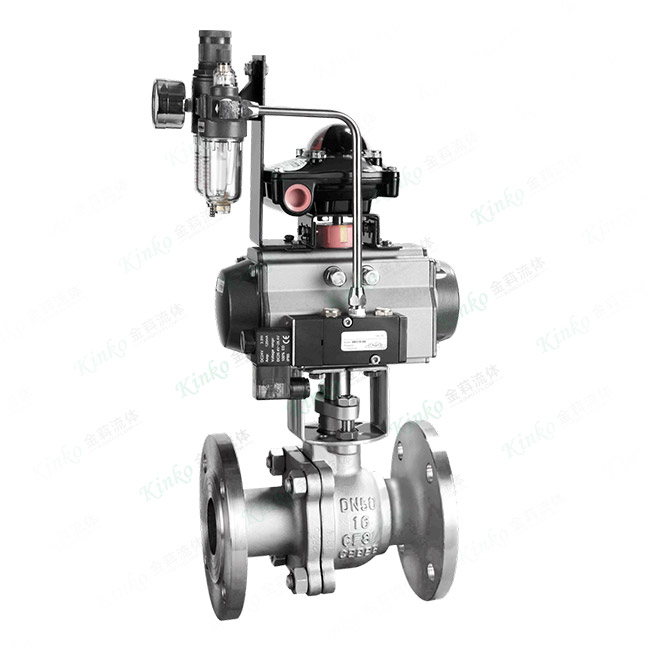
The Principle: A $600 high-grade actuator protects a $2,000 valve for 10+ years. A $200 low-grade actuator may destroy that same valve in 6 months.
4. Lower Maintenance Costs
| Maintenance Item | Low-Grade Actuator | High-Grade Actuator |
|---|---|---|
| Seal replacement | Every 6–12 months | Every 3–5 years |
| Lubrication | Monthly | Quarterly |
| Parts availability | Inconsistent | Consistent (OEM support) |
| Technical support | Limited | Full engineering support |
| Annual maintenance cost | $200–500 | $50–150 |
5. Energy Efficiency & Operating Cost Savings
| Actuator Grade | Air/Power Consumption | Annual Energy Cost (est.) |
|---|---|---|
| Low-grade (leaky, inefficient) | High | $300–1,000 |
| Standard | Medium | $200–500 |
| High-grade (sealed, optimized) | Low | $100–250 |
High-grade actuators feature:
-
Better seals (lower air leakage)
-
Optimized internal passages
-
Lower friction coatings
-
Efficient motor designs (electric)
6. Consistent Process Quality
| Quality Parameter | Low-Grade Actuator | High-Grade Actuator |
|---|---|---|
| Positioning repeatability | ±5–10% | ±0.5–1% |
| Cycle-to-cycle consistency | Variable | Consistent |
| Effect on final product | Scrap, rework | Within spec |
| Annual quality cost impact | $5,000–50,000+ | $0–5,000 |
Example: In a chemical dosing application, a low-grade actuator with ±10% positioning error causes ±10% dosing error. That means out-of-spec product, rejected batches, and wasted chemicals. A high-grade actuator with ±1% error keeps the process within tolerance.
7. Safety & Compliance
| Safety Factor | Low-Grade Actuator | High-Grade Actuator |
|---|---|---|
| Fail-safe reliability | Unpredictable | Guaranteed (tested) |
| Certification | Often missing | ATEX, SIL, IECEx available |
| Documentation | Limited | Full traceability |
| Audit readiness | Poor | Excellent |
The Benefit: High-grade actuators with proper certifications protect personnel, the environment, and your company from liability.
10-Year Total Cost of Ownership (TCO) Comparison
Assumptions
-
Valve type: 6" butterfly valve, PTFE seated
-
Duty cycle: 10 cycles/hour, 8,000 hours/year
-
Labor rate: $100/hour
| Cost Category | Low-Grade Actuator ($300) | High-Grade Actuator ($800) |
|---|---|---|
| Initial purchase | $300 | $800 |
| Installation | $400 | $400 |
| Replacement (years 3,6,9) | $900 (3 units) | $0 |
| Valve replacements (damaged) | $2,000 (1 valve) | $0 |
| Maintenance (10 years) | $3,000 | $750 |
| Downtime cost (10 years) | $15,000 | $2,000 |
| Energy cost (10 years) | $5,000 | $2,000 |
| Quality loss / scrap | $10,000 | $1,000 |
| TOTAL 10-YEAR COST | $36,600 | $6,950 |
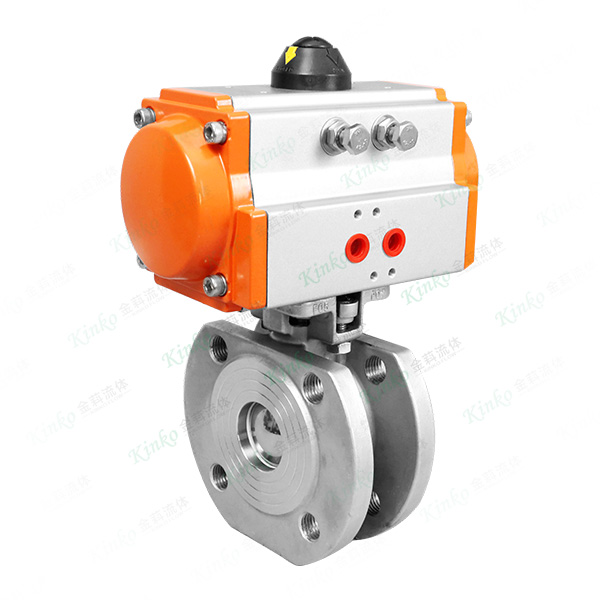
Result: The high-grade actuator costs $800 upfront but saves nearly $30,000 over 10 years.
Decision Matrix: When to Invest in High-Grade Actuators
| Application Criticality | Recommended Grade | Justification |
|---|---|---|
| Non-critical isolation (infrequent use) | Standard | Low cycle count, minimal downtime impact |
| General process control | Standard to Good | Balanced cost vs. performance |
| Continuous modulating duty | High-grade | Precision, reliability, energy savings |
| Safety-critical service | High-grade + Certification | Personnel protection, compliance |
| Harsh environment (corrosive, high temp) | High-grade | Corrosion resistance, seal durability |
| High-cycle application (>500,000 cycles/year) | High-grade | Extended life, lower long-term cost |
| Remote or inaccessible location | High-grade | Reduced maintenance visits |
| Brand-sensitive or export markets | High-grade | Documentation, certification, reputation |
Quality Indicators to Look For
| Feature | Why It Matters |
|---|---|
| ISO 5211 mounting | Proper alignment, reduced stem stress |
| ATEX certification | Safe in explosive atmospheres |
| SIL rating | Functional safety capability |
| IP65/IP67/IP68 rating | Environmental protection |
| Full torque documentation | Proper sizing, no guesswork |
| Cycle test data | Validated durability claims |
| OEM technical support | Troubleshooting, parts availability |
| Standardized parts | Easy replacement, less inventory |
Industry Examples
Water Treatment Plant
| Factor | Before (Low-grade) | After (High-grade) |
|---|---|---|
| Actuators replaced per year | 8–12 | 1–2 |
| Annual actuator cost | $3,000–4,000 | $1,000–2,000 |
| Downtime events per year | 6–10 | 0–2 |
| Annual savings | – | $15,000+ |
Chemical Processing Facility
| Factor | Before (Low-grade) | After (High-grade) |
|---|---|---|
| Positioning accuracy | ±8% | ±1% |
| Batch rejects per month | 15–20 | 0–2 |
| Chemical waste cost | $5,000/month | $500/month |
| Annual savings | – | $54,000 |
Oil & Gas Pipeline
| Factor | Before (Low-grade) | After (High-grade) |
|---|---|---|
| Emergency repairs per year | 4–6 | 0–1 |
| Unscheduled shutdowns | 3–4 | 0 |
| Average downtime per event | 12 hours | N/A |
| Annual savings | – | $200,000+ |
Conclusion
Investing in high-grade actuators delivers measurable long-term benefits:
-
Lower total cost of ownership – 70–80% reduction over 10 years
-
Extended service life – 3–5x longer than low-grade alternatives
-
Reduced downtime – 80–90% fewer unplanned stops
-
Valve protection – Prevents expensive valve damage
-
Lower maintenance – Less frequent repairs and parts replacement
-
Energy efficiency – Lower air and power consumption
-
Process quality – Consistent positioning, fewer rejects
-
Safety & compliance – Certified components, audit-ready documentation
The Bottom Line: A high-grade actuator costs more upfront but pays for itself many times over through reduced downtime, lower maintenance, valve protection, and improved process quality.
Ready to Upgrade to High-Grade Actuators?
We manufacture premium actuators engineered for maximum reliability and long service life:
| Actuator Type | Torque Range | Key Features |
|---|---|---|
| Rack & pinion pneumatic | 5–4000 Nm | 1M+ cycles, ISO 5211, ATEX optional |
| Scotch yoke pneumatic | 500–250,000 Nm | Heavy duty, high torque, SIL capable |
| Electric on-off | 10–2000 Nm | IP67, manual override, long life |
| Electric modulating | 20–3000 Nm | ±0.5% accuracy, 4–20mA, Modbus |
Contact our engineering team for a TCO analysis and actuator upgrade recommendation.
*High-Grade Actuators | Long-Term ROI | Valve Automation | B2B Industrial Supplier*
Ivan (Mobile:+86-18968769287)
WhatsApp:+86-13579991606
Wechat:+86-18968769287
Website:www.kinko-flow.com
ZHEJIANG KINKO FLUID EQUIPMENT CO.,LTD
