How to Size a Ball Valve for Optimal Flow Performance
Publish Time: Author: Site Editor Visit: 738
The 3-Step Sizing Method
Step 1: Understand Your Required Cv
Cv (flow coefficient) = flow capacity of the valve. Higher Cv = more flow with less pressure drop.
| Rule of Thumb | Action |
|---|---|
| Cv too low | Valve undersized → high pressure drop, cavitation |
| Cv too high | Valve oversized → poor shut-off, wasted cost |
| Cv just right | 20–50% safety margin above required flow |
Step 2: Match Line Size – Full Port vs. Reduced Port
| Port Type | Bore Size | Pressure Drop | Cost | Best For |
|---|---|---|---|---|
| Full port (full bore) | Same as pipe ID | Very low | Higher | Pigging, vacuum, minimum ΔP |
| Reduced port (standard) | 1–2 sizes smaller | Moderate | Lower | Most general applications |
| V-port | Characterized opening | Controllable | Highest | Throttling / flow control |
Rule of thumb: Use reduced port for most ON/OFF isolation. Use full port only when necessary.
Step 3: Verify Against Line Size
| Line Size (inch) | Reduced Port Bore (inch) | Full Port Bore (inch) | Relative Flow Capacity |
|---|---|---|---|
| 1/2" | 0.375 | 0.500 | Small |
| 3/4" | 0.500 | 0.750 | Small–Medium |
| 1" | 0.750 | 1.000 | Medium |
| 1-1/2" | 1.000 | 1.500 | Medium–Large |
| 2" | 1.500 | 2.000 | Large |
| 3" | 2.000 | 3.000 | Larger |
| 4" | 3.000 | 4.000 | Very large |
| 6" | 4.000 | 6.000 | Maximum |
Full port flows approximately 2× reduced port at same line size.
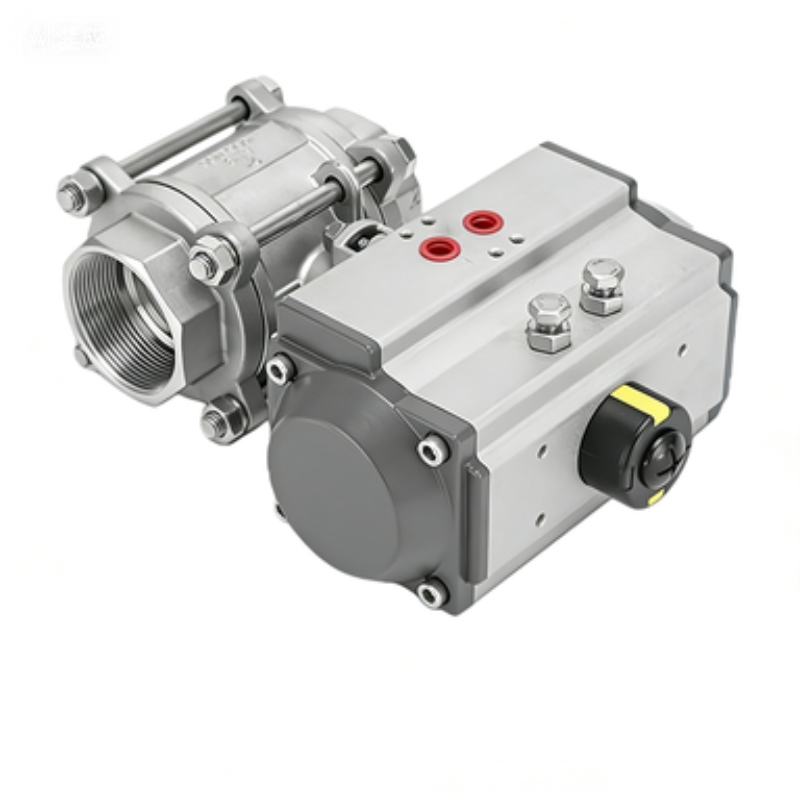
Cv Quick Reference – Kinko Ball Valves (Reduced Port)
| Valve Size | Flow Capacity (Relative) | Typical Application |
|---|---|---|
| 1/2" | Very low | Instrumentation, sampling |
| 3/4" | Low | Small branches |
| 1" | Low–Medium | Equipment isolation |
| 1-1/2" | Medium | Process lines |
| 2" | Medium–High | Main distribution |
| 3" | High | Large process lines |
| 4" | Very high | Headers |
| 6" | Maximum | Main plant lines |
Pressure Drop – When to Worry
| Pressure Drop | Severity | Action |
|---|---|---|
| <3 psi | Excellent | No action needed |
| 3–10 psi | Acceptable | Monitor |
| 10–25 psi | High | Consider larger valve |
| >25 psi | Critical | Cavitation risk – upsize immediately |
Sizing for Control (Throttling) Applications
| Valve Opening | Recommended for Throttling? |
|---|---|
| 100% open | No – use as isolation only |
| 60–80% open | Best control range |
| 40–60% open | Acceptable |
| <40% open | Poor – use V-port ball valve instead |
Rule: Normal operating point should be 40–80% open for standard ball valves.

Cavitation – Quick Check (Liquids Only)
Cavitation destroys seats and balls. Avoid high pressure drops.
| Inlet Pressure | Max Safe Pressure Drop | Action if Exceeded |
|---|---|---|
| 50 psi | ~25 psi | Use two valves in series |
| 100 psi | ~55 psi | Install downstream backpressure |
| 150 psi | ~85 psi | Use anti-cavitation trim |
| 200 psi | ~115 psi | Consult Kinko engineering |
Warning signs: Noise like gravel flowing, vibration, eroded ball surface.
Sizing by Velocity – Maximum Limits
| Media | Max Velocity | Consequence of Exceeding |
|---|---|---|
| Liquid (clean) | 15 ft/s | Erosion, cavitation |
| Liquid (abrasive) | 8 ft/s | Rapid seat wear |
| Gas (clean) | 300 ft/s | Noise, erosion |
| Steam | 200 ft/s | Water hammer |
Common Sizing Mistakes
| Mistake | Consequence | Fix |
|---|---|---|
| Oversizing | Poor shut-off, high cost | Size for 50–70% open |
| Undersizing | High ΔP, cavitation, noise | Upsize one pipe diameter |
| Using full port Cv for reduced valve | Flow lower than expected | Check actual bore size |
| Ignoring viscosity | Lower actual flow | Use larger valve for thick fluids |
Viscosity Guide (Thick Fluids)
| Fluid Type | Viscosity (cSt) | Sizing Action |
|---|---|---|
| Water, air, light oil | <10 | Standard sizing |
| Diesel, kerosene | 10–50 | Standard sizing |
| Heavy oil | 50–200 | Upsize one valve size |
| Molasses, syrup | 200–1,000 | Upsize 1–2 sizes |
| Paste, gel | >1,000 | Consider different valve type |
Quick Selection Table by Pipe Size
| Pipe Size | Recommended Kinko Valve Type | Typical Application |
|---|---|---|
| 1/2" – 1" | KINKO-F15 (floating, reduced) | Instrumentation, small branches |
| 1-1/2" – 2" | KINKO-F15 or KINKO-C22 | Process isolation |
| 2" – 4" | KINKO-C22 (trunnion) | Main lines, higher pressure |
| 3" – 8" | KINKO-C22 trunnion | Headers, large flows |
| Any size | KINKO-V-Port | Throttling control |
| 1/2" – 2" | KINKO-HP | High-pressure systems |
Selection Decision Tree
| Question | Answer | Recommended |
|---|---|---|
| Is the valve for ON/OFF or throttling? | ON/OFF | Standard ball valve (reduced port) |
| Is the valve for ON/OFF or throttling? | Throttling | V-port ball valve |
| Is pressure drop critical? | Yes | Full port |
| Is pigging required? | Yes | Full port |
| Is line size >2" and pressure >1,500 psi? | Yes | Trunnion design |
| Is fluid viscous (>200 cSt)? | Yes | Upsize 1–2 sizes |
| Is cavitation likely? | Yes | Upsize or use two valves |
Ivan (Mobile:+86-18968769287)
WhatsApp:+86-13579991606
Wechat:+86-18968769287
Website:www.kinko-flow.com
ZHEJIANG KINKO FLUID EQUIPMENT CO.,LTD
