Ball Valve Seats: PTFE, Viton & Other Materials Guide
PTFE Family – The Industry Standard
Virgin PTFE
| Property | Value |
|---|---|
| Temp range | -20°F to 180°F |
| Max ΔP | 1,500 psi |
| Hardness | Shore D 50–55 |
| Friction | 0.05–0.10 (lowest) |
| Limitation | Creep under sustained pressure |
Best for: Water, air, inert gases, food, pharma.
Not for: >1,500 psi or high-cycle (>10,000 cycles/year).
15% Glass-Filled PTFE
| Property | Value |
|---|---|
| Temp range | -20°F to 200°F |
| Max ΔP | 2,500 psi |
| Hardness | Shore D 60–65 |
| Improvement | 2× wear resistance, less creep |
Best for: Higher pressure, moderate cycling.
25% Carbon-Filled PTFE
| Property | Value |
|---|---|
| Temp range | -20°F to 250°F |
| Max ΔP | 3,000 psi |
| Hardness | Shore D 65–70 |
| Improvement | 5× wear resistance, conductive |
Best for: High-cycle, dry gases, abrasive media.
PEEK – High-Pressure Champion
| Property | Value |
|---|---|
| Temp range | -100°F to 480°F |
| Max ΔP (unfilled) | 5,000 psi |
| Max ΔP (carbon-filled) | 7,500 psi |
| Hardness | Shore D 85–90 |
| Chemical resistance | Good – avoid concentrated sulfuric, nitric acid |
Best for: Oil/gas, high-cycle hydraulic, chemical injection.
Not for: Strong oxidizing acids at high temperature.
Viton (FKM) – Hydrocarbon Specialist
| Property | Value |
|---|---|
| Temp range | -15°F to 400°F |
| Max ΔP | 2,000 psi |
| Hardness | Shore A 70–90 (softer than PTFE) |
| Chemical resistance | Excellent for oils, fuels, aliphatic hydrocarbons |
Best for: Refineries, fuel handling, diesel, gasoline.
Not for: Steam, hot water, brake fluid, SKYDROL.
Nylon (PA) – Low-Cost High Pressure
| Property | Value |
|---|---|
| Temp range | -20°F to 200°F |
| Max ΔP | 3,000 psi |
| Hardness | Shore D 75–85 |
| Chemical resistance | Fair – avoid strong acids |
Best for: High-pressure water jetting, low-cost applications.
Not for: High temperature or aggressive chemicals.
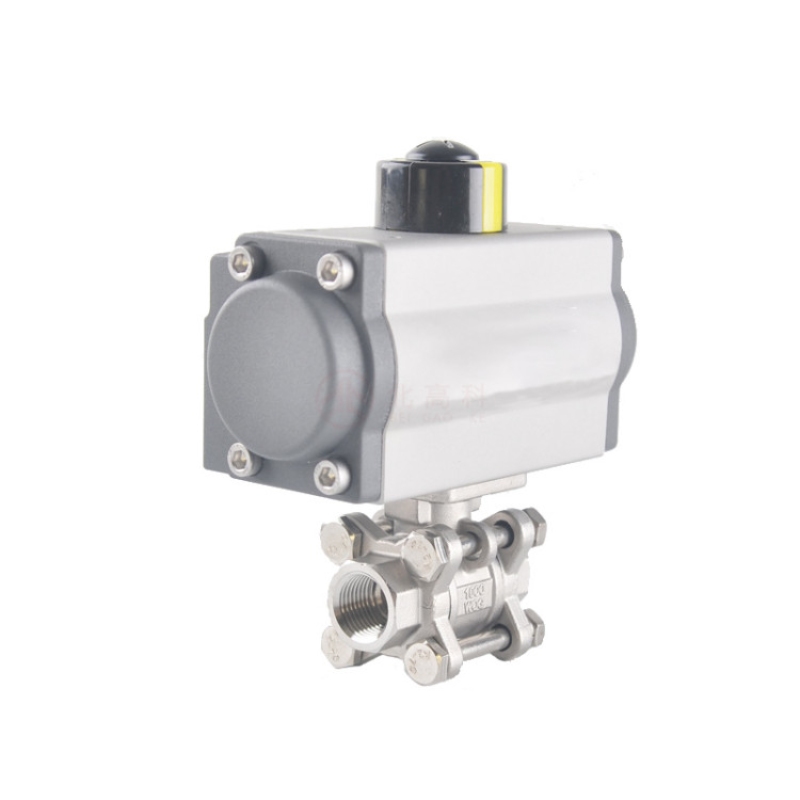
Metal Seats – Fire-Safe & High Temperature
| Property | Value |
|---|---|
| Temp range | -100°F to 1,200°F |
| Max ΔP | 10,000+ psi |
| Leakage class | Class IV or V (not bubble-tight) |
| Material options | 316SS, Inconel, Stellite, tungsten carbide |
Best for: Steam, high-temp gas, fire-safe service, abrasive slurries (with coating).
Not for: Applications requiring zero leakage (Class VI).
Material Selection by Media – Quick Guide
| Media | Recommended Seat | Not Recommended |
|---|---|---|
| Water (ambient) | PTFE or Nylon | Viton (overkill) |
| Hot water (>180°F) | PTFE or PEEK | Nylon |
| Air / inert gas | PTFE (virgin or GF) | Viton (not needed) |
| Steam | Metal seat | Any polymer (all fail above 500°F) |
| Diesel / gasoline | Viton (FKM) | PTFE (swells? No – but Viton better) |
| Crude oil | Viton or PEEK | Nylon |
| Natural gas | PTFE (CF or GF) or PEEK | Viton (swells in wet gas) |
| Strong acid (H₂SO₄, HCl) | PTFE (virgin) | PEEK, Nylon (degrade) |
| Strong base (NaOH) | PTFE or PEEK | Nylon, TPV |
| Solvents (acetone, toluene) | PTFE | Viton (swells) |
| Sand slurry | Tungsten carbide or CF PTFE | Virgin PTFE (wears quickly) |
| Food / beverage | PTFE (FDA grade) | Any non-FDA |
| Pharmaceutical | PTFE (USP Class VI) | Standard PTFE |
Seat Failure Modes – What to Watch For
| Failure Mode | Cause | Preventive Action |
|---|---|---|
| Cold flow (creep) | Sustained pressure >1,500 psi on PTFE | Upgrade to GF PTFE or PEEK |
| Extrusion | Gap between ball and seat too large | Use anti-extrusion ring (PEEK backup) |
| Chemical attack | Incompatible material | Check compatibility chart |
| Thermal degradation | Exceeded max temp | Upgrade to PEEK or metal |
| Wear (scoring) | Abrasive particles | Use CF PTFE or carbide |
| Compression set | Soft material (Viton) under load | Replace every 2–3 years |
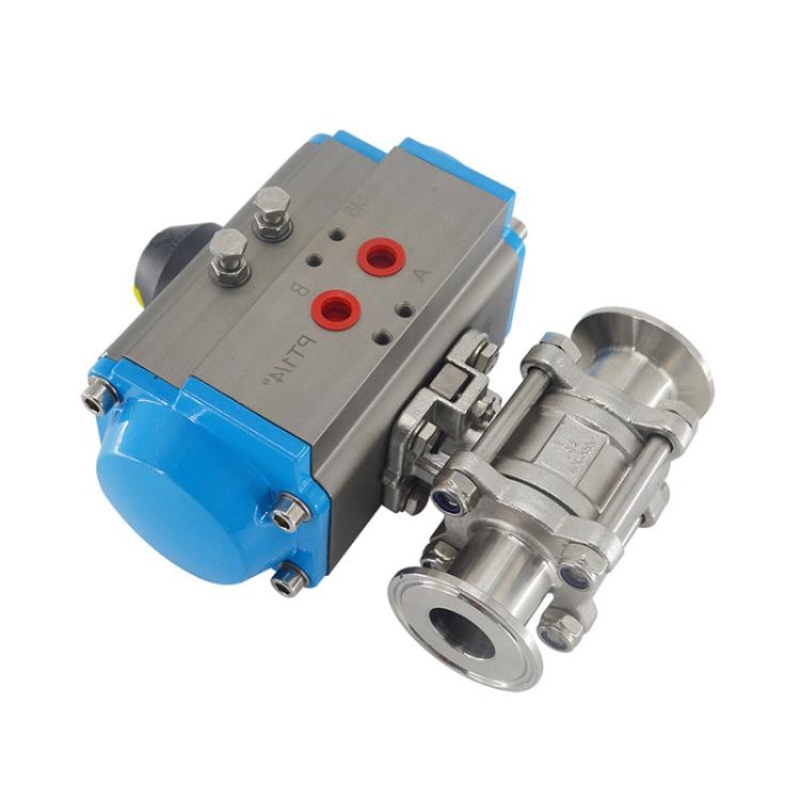
Kinko Seat Material Options – By Series
| Kinko Series | Standard Seat | Upgrade Option 1 | Upgrade Option 2 |
|---|---|---|---|
| KINKO-F15 (floating) | 15% GF PTFE | 25% CF PTFE | PEEK |
| KINKO-C22 (trunnion) | PEEK (unfilled) | PEEK + carbon | Metal seat |
| KINKO-HC10 (hastelloy) | Virgin PTFE | PEEK | N/A (special order) |
| KINKO-SAN5 (sanitary) | FDA PTFE | TPV (Santoprene) | N/A |
| KINKO-HP series | PEEK + carbon | Tungsten carbide | Metal seat |
| KINKO-HP-API6A | PEEK + anti-extrusion | Tungsten carbide | Metal + Stellite |
Seat Replacement Schedule – Recommended Intervals
| Application | Seat Material | Replacement Interval |
|---|---|---|
| Clean water, low cycle | PTFE (virgin or GF) | 5–8 years |
| Chemical, moderate cycle | PTFE or PEEK | 3–5 years |
| High-cycle (>50 cycles/day) | CF PTFE or PEEK | 1–2 years |
| Abrasive slurry | Tungsten carbide | 2–3 years (inspect annually) |
| High temperature (>400°F) | Metal seat | 5+ years (if no thermal shock) |
| Hydrocarbon (Viton) | Viton (FKM) | 2–3 years (monitor for hardening) |
Conclusion
Select the right seat material by answering three questions:
-
Temperature? → Below 400°F = PTFE or Viton. Above 400°F = PEEK or metal.
-
Pressure? → Below 1,500 psi = virgin PTFE. Above 3,000 psi = PEEK or carbon-filled PEEK.
-
Media? → Hydrocarbons = Viton. Acids = PTFE. Abrasive = carbon-filled or carbide.
Kinko delivers: Seat material recommendations within 24 hours. Full chemical compatibility chart available. OEM replacement seat kits in stock for all Kinko series.
Ivan (Mobile:+86-18968769287)
WhatsApp:+86-13579991606
Wechat:+86-18968769287
Website: www.kinko-flow.com
ZHEJIANG KINKO FLUID EQUIPMENT CO.,LTD
