Why More Industries Switch to Motorized Actuator Valves
1. The Shift at a Glance
| Factor | Pneumatic Actuator | Motorized (Electric) Actuator |
|---|---|---|
| Energy source | Compressed air | Electricity |
| Energy efficiency | Poor (compressor losses) | High (direct power) |
| Installation cost | Low to medium (air lines) | Medium (cabling) |
| Operating cost | Medium to high | Low |
| Control precision | Good (with positioner) | Excellent (built-in) |
| Data feedback | Limited | Full diagnostics available |
| Maintenance | Frequent (seals, filters, dryers) | Low (periodic inspection) |
| Fail-safe | Simple (spring-return) | Requires battery or capacitor backup |
Key trend: As electricity becomes more reliable and automation demands increase, the total cost of ownership for electric actuators is now lower than pneumatic in many applications.
2. Top Reasons Industries Are Switching
Reason 1: Lower Operating Costs
Compressed air is expensive. It is often called the "fourth utility" because of its hidden costs.
Cost breakdown of compressed air:
-
Only 10–15% of electrical energy input becomes usable air power
-
Typical compressor efficiency: 70–80% (motor to air)
-
Distribution losses: 20–30% (leaks, pressure drops, friction)
-
Air drying and filtration add additional energy cost
Comparison (operating cost per cycle):
| Actuator Type | Energy Cost per 10,000 cycles | Annual Energy Cost (typical) |
|---|---|---|
| Pneumatic (6 bar) | $150–300 | $1,500–3,000 |
| Electric (standard) | $10–30 | $100–300 |
Result: Electric actuators can be 5–10x cheaper to operate than pneumatic actuators over a year.
Reason 2: No Compressed Air Infrastructure
Many facilities, especially smaller plants or remote sites, do not have instrument air systems.
Pneumatic requires:
-
Air compressor
-
Air dryer (refrigerated or desiccant)
-
Filters (particulate and coalescing)
-
Air receiver tank
-
Piping network (copper, stainless, or aluminum)
-
Regular leak detection and repair
Electric requires:
-
Electrical power (existing panel or new run)
-
Control cable (4–20 mA or digital)
Result: For new installations or expansions, electric actuators eliminate the need for a costly compressed air system.
Reason 3: Precise Positioning and Modulating Control
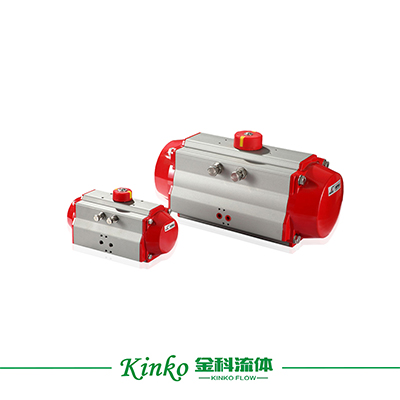
Pneumatic actuators can modulate, but they require a positioner (electro-pneumatic transducer), which adds cost, complexity, and calibration drift.
Electric actuators for modulating duty:
-
Built-in position control (no external positioner)
-
No calibration drift (digital feedback)
-
High resolution (often 0.1–1% position accuracy)
-
Repeatability within 0.5%
Comparison:
| Aspect | Pneumatic + Positioner | Electric Actuator |
|---|---|---|
| Position accuracy | 1–2% | 0.5–1% |
| Hysteresis | 0.5–2% | <0.5% |
| Drift over time | Yes (calibration required) | No |
| Air consumption | Continuous bleed (5–20 L/min) | None |
| Control signal | 4–20 mA (to positioner) | 4–20 mA (direct) |
Result: Electric actuators provide better precision for flow control, blending, and dosing applications.
Reason 4: Data and Diagnostics
Modern plants demand asset intelligence. Electric actuators deliver.
Electric actuator diagnostics (standard on smart models):
-
Cycle count and stroke history
-
Torque profile (peak and running torque)
-
Motor runtime and temperature
-
Number of starts and stops
-
Maintenance alerts (battery, lubrication, calibration)
-
Partial stroke test logs (for ESD valves)
Pneumatic actuator diagnostics:
-
Limited to position feedback (if added)
-
Requires external sensors for torque or pressure
-
No built-in intelligence
Result: Electric actuators feed real-time data to DCS, PLC, or asset management systems, enabling predictive maintenance.
Reason 5: Cleaner and Quieter Operation
Pneumatic actuators exhaust air. In clean environments (food, pharmaceutical, electronics), this is a problem.
Pneumatic drawbacks:
-
Exhaust air can carry oil mist (unless using oil-free air)
-
Noise from exhaust (80–100 dB without silencer)
-
Condensation from exhaust can drip onto product
-
Airborne particles from dirty instrument air
Electric advantages:
-
No exhaust
-
Silent operation (except gear noise)
-
No contamination risk
-
Suitable for cleanrooms and hygienic areas
Result: Electric actuators are preferred in food & beverage, pharmaceutical, semiconductor, and sterile processing.
Reason 6: Lower Maintenance
Pneumatic actuators require regular attention. Electric actuators are mostly maintenance-free.
| Maintenance Task | Pneumatic | Electric |
|---|---|---|
| Seal replacement | Every 3–5 years | Never (no dynamic seals) |
| Air filter change | Monthly to quarterly | N/A |
| Dryer maintenance | Annual | N/A |
| Solenoid valve cleaning | As needed | N/A |
| Lubrication | Every 1–2 years | Every 5–10 years (gearbox) |
| Battery replacement | N/A | Every 2–5 years (if backup) |
Result: Electric actuators significantly reduce maintenance labor and spare parts inventory.
Reason 7: Remote and Solar-Powered Operation
Pneumatic actuators require compressed air at the valve location. Running air lines to remote wellheads, pipeline block valves, or off-grid sites is impractical.
Electric solution:
-
Low power consumption (standby: 1–5W, moving: 50–200W)
-
Solar panel + battery pack can power remote actuators
-
Cellular or satellite communication for control and feedback
Result: Electric actuators enable automation in locations without instrument air or grid power.
3. When Pneumatic Actuators Are Still Better
Despite the shift, pneumatic actuators remain superior in specific scenarios:
| Application | Why Pneumatic is Better |
|---|---|
| Very fast stroking (<0.5 seconds) | Electric cannot match pneumatic speed |
| Fail-safe with spring-return | Simple, reliable, no batteries |
| Explosive atmosphere (Zone 0) | Intrinsically safe without heavy Ex d housing |
| Extreme high temperature (>80°C ambient) | No electronics to fail |
| Low-cost simple on/off | Lower upfront cost for basic applications |
| Existing compressed air infrastructure | No new infrastructure investment |
Key point: The shift to electric is strongest for modulating duty, remote sites, clean environments, and plants without existing compressed air.
4. Comparison Table: Pneumatic vs. Motorized Actuator Valves
| Feature | Pneumatic | Motorized (Electric) |
|---|---|---|
| Energy source | Compressed air | Electricity |
| Operating cost | High | Low |
| Installation cost | Low (if air available) | Medium |
| Control precision | Good (needs positioner) | Excellent (built-in) |
| Position feedback | Limited (switch or sensor) | Continuous (encoder) |
| Diagnostics | None (external only) | Built-in (cycle count, torque, alerts) |
| Speed (typical) | 0.5–3 seconds | 3–30 seconds |
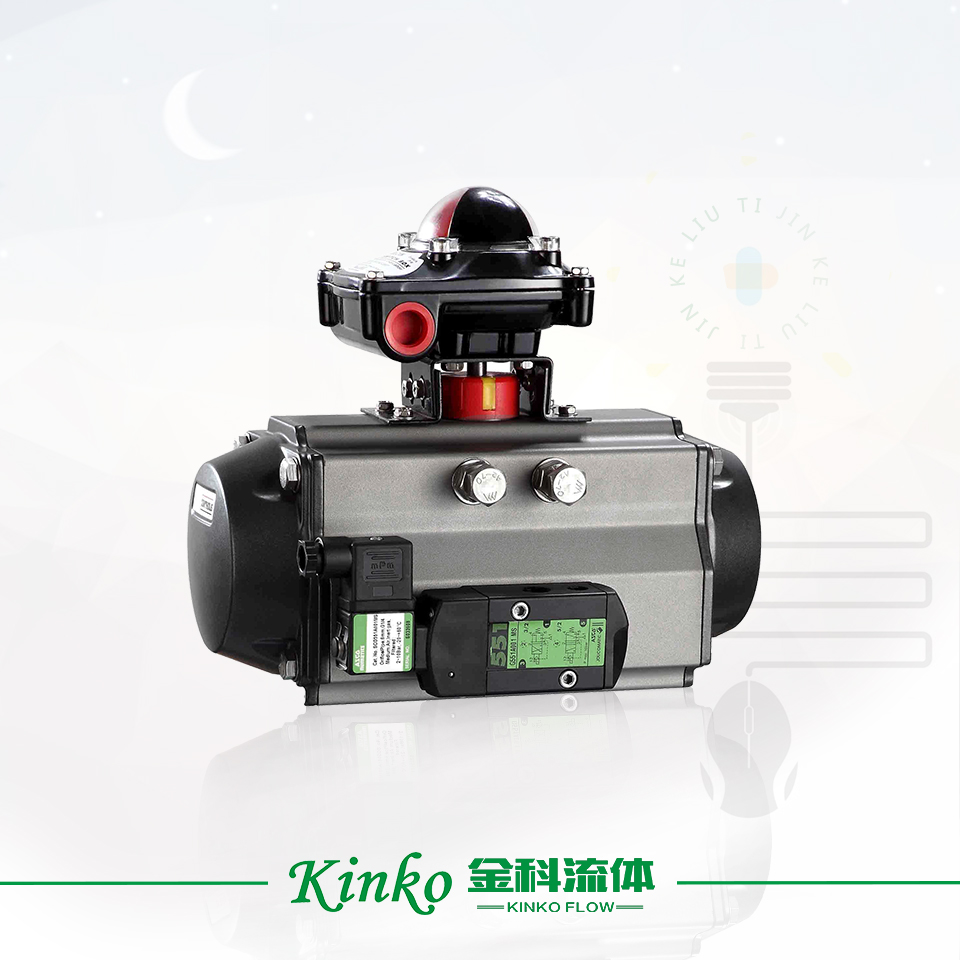
| Fail-safe (spring) | Yes (simple) | Requires battery or capacitor |
| Cleanliness | Exhaust air, possible oil | No emissions |
| Noise | Moderate to loud | Quiet |
| Maintenance frequency | High (seals, filters) | Low (periodic inspection) |
| Suitable for modulating | Fair (with positioner) | Excellent |
| Remote / solar operation | Poor (needs air line) | Excellent (low power) |
| Typical lifespan (years) | 5–10 (with maintenance) | 10–20 (with minimal maintenance) |
5. Total Cost of Ownership (TCO) Comparison
Over 10 years, electric actuators often cost less despite higher upfront price.
| Cost Component | Pneumatic | Electric |
|---|---|---|
| Actuator purchase | $800 | $1,200 |
| Positioner (if modulating) | $500 | Built-in |
| Solenoid valve | $150 | N/A |
| Air tubing / cable | $200 (air) | $150 (cable) |
| Compressor share (per actuator) | $300–500 | N/A |
| Air dryer share (per actuator) | $100–200 | N/A |
| Energy cost (10 years) | $2,000–4,000 | $200–500 |
| Maintenance (10 years) | $1,500–2,500 | $300–500 |
| Total 10-year TCO | $5,550–8,850 | $1,850–2,350 |
Result: Electric actuators can have 50–70% lower total cost of ownership over a decade.
6. Industries Leading the Switch
| Industry | Primary Driver for Switching |
|---|---|
| Water and wastewater | Remote sites, no air lines, solar power, low maintenance |
| Food and beverage | Cleanliness, no exhaust oil, washdown duty |
| Pharmaceutical | Sterile environment, precise modulating, validation traceability |
| Chemical processing | Data logging, predictive maintenance, hazardous area options |
| Oil and gas (upstream) | Remote wellheads, solar power, SCADA integration |
| Power generation | Plant air reliability issues, precise cooling water control |
| HVAC and building automation | Quiet operation, energy efficiency, building management integration |
Ivan (Mobile:+86-18968769287)
WhatsApp:+86-13579991606
Wechat:+86-18968769287
Website:www.kinko-flow.com
ZHEJIANG KINKO FLUID EQUIPMENT CO.,LTD
