What Is a Ball Valve & How Does It Function?
1. Introduction
In industrial fluid control, the ball valve is one of the most widely used solutions for reliable on/off shutoff. Its simple design, durable sealing, and ease of operation make it a preferred choice across oil & gas, chemical, water treatment, and power generation industries.
For B2B buyers, understanding how a ball valve functions—and which technical specifications matter—is critical to selecting the right component for safety, efficiency, and long service life.
2. What Is a Ball Valve?
A ball valve is a quarter-turn valve that uses a hollow, perforated ball to control flow. When the ball’s bore is aligned with the pipeline, the valve is open. When rotated 90 degrees, the bore faces perpendicular to the flow, and the valve closes.
Key Components:
-
Body (forged or cast)
-
Ball (chrome-plated or stainless steel)
-
Seats (typically PTFE, PEEK, or metal)
-
Stem
-
Handle or actuator
3. How Does a Ball Valve Function?
The ball valve operates on a simple quarter-turn (0° to 90°) motion.
| Position | Handle Angle | Flow Condition |
|---|---|---|
| Open | Parallel to pipe | Full flow |
| Closed | Perpendicular to pipe | No flow |
When fully open, the ball valve creates very low pressure drop because the bore inside the ball has the same diameter as the pipe — in full-bore designs.
The sealing is achieved by compressing the ball against the seats. In floating ball valves, upstream pressure pushes the ball into the downstream seat for tighter shutoff.
4. Ball Valve Types for B2B Procurement
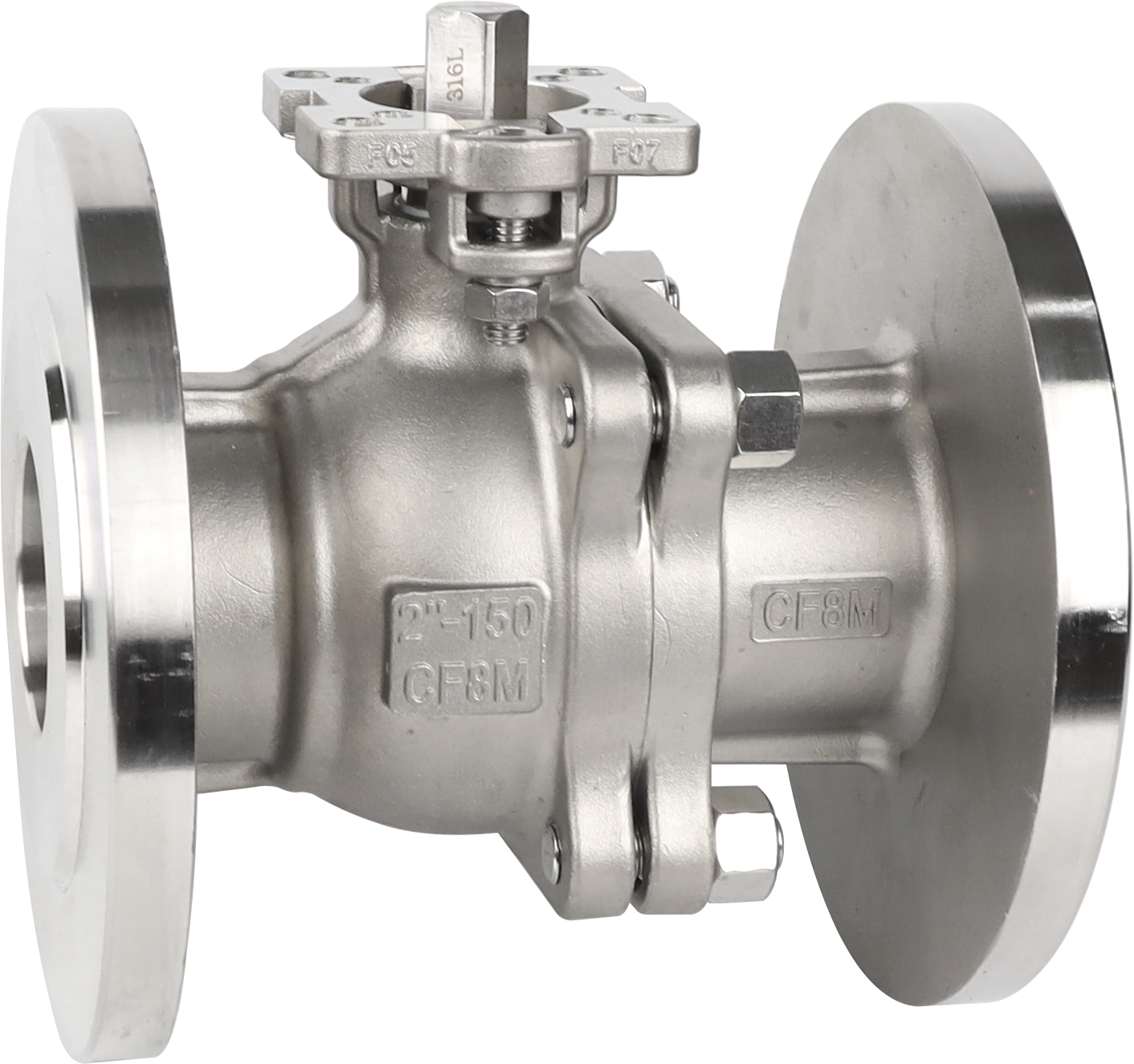
| Type | Bore | Best For |
|---|---|---|
| Floating Ball Valve | Full or reduced | Low to medium pressure, general service |
| Trunnion Mounted Ball Valve | Full or reduced | High pressure, large diameters |
| Full Bore Ball Valve | Same as pipe size | Pigging, high flow, low pressure drop |
| Reduced Bore Ball Valve | Smaller than pipe | Economical, moderate flow |
| V-Port Ball Valve | V-shaped notch | Flow control (throttling) |
5. Technical Parameters Table (Key Specs for Buyers)
| Parameter | Common Ranges | Notes |
|---|---|---|
| Size Range | 1/4" to 48" | Larger sizes often trunnion type |
| Pressure Rating | Class 150, 300, 600, 900, 1500, 2500 | ANSI / ASME standards |
| Temperature Range | -40°C to +450°C | Depends on seat material |
| Seat Material | PTFE (-40°C to +200°C), PEEK (-40°C to +250°C), Metal (+450°C) | Critical for high temp |
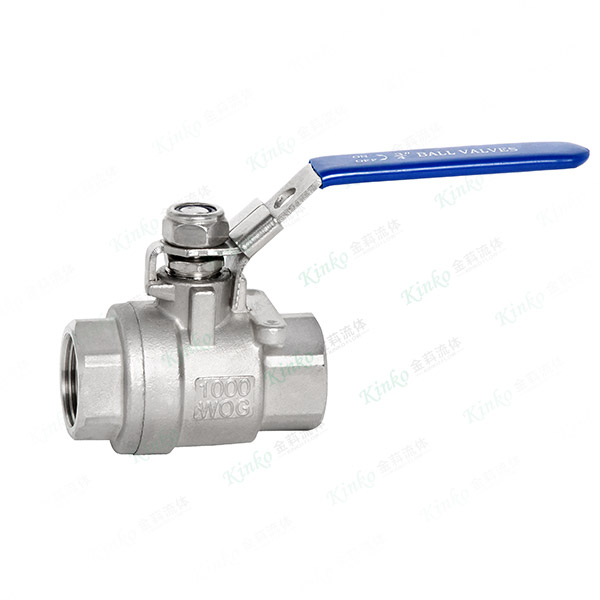
| End Connections | Flanged, threaded, socket weld, butt weld, wafer, lug | Match pipeline standard |
| Operation | Lever handle, gear box, electric actuator, pneumatic actuator | Automated for remote control |
| Standards | API 608, API 6D, ISO 17292, ASME B16.34 | Verify for project compliance |
6. Advantages & Disadvantages for B2B Use
Advantages:
-
Bubble-tight shutoff (zero leakage)
-
Fast quarter-turn operation
-
Low pressure drop when fully open
-
Long cycle life (up to 100,000+ cycles)
-
Low maintenance
Disadvantages:
-
Not ideal for throttling (except V-port)
-
PTFE seats have temperature limits
-
Larger valves can be expensive
7. Common Industrial Applications
| Industry | Typical Use |
|---|---|
| Oil & Gas | Pipeline isolation, wellheads |
| Chemical | Corrosive fluid shutoff |
| Water/Wastewater | Pump discharge, tank isolation |
| Power | Cooling water, steam drains (metal seat) |
| Pharmaceutical | Sanitary ball valves (clamp connection) |
8. B2B Buying Checklist
Before purchasing ball valves for your project, confirm the following:
-
Valve size and bore type (full or reduced)
-
Pressure class (150, 300, 600, etc.)
-
Seat material (PTFE, PEEK, metal)
-
End connection type
-
Operation method (manual or actuated)
-
Applicable standard (API 608, API 6D, etc.)
-
Fire-safe certification (if required)
9. Conclusion
The ball valve is a simple yet highly effective solution for on/off flow control across most industrial sectors. For B2B procurement, focus on the technical parameters: bore size, pressure class, seat material, and applicable standards. Selecting the correct ball valve reduces downtime, prevents leaks, and lowers total ownership cost.
If you need assistance selecting the right ball valve for your pipeline system, contact our engineering team with your project specifications.
Ivan (Mobile:+86-18968769287)
WhatsApp:+86-13579991606
Wechat:+86-18968769287
Website: www.kinko-flow.com
ZHEJIANG KINKO FLUID EQUIPMENT CO.,LTD
