Top Mistakes to Avoid When Installing Valve Actuators
1. Ignoring Actuator-to-Valve Torque Safety Factors
One of the most frequent procurement and installation errors is assuming the "breakaway torque" listed in a valve datasheet remains static. In reality, torque requirements change due to pressure, temperature, and media buildup.
-
The Mistake: Selecting an actuator with a torque output that is too close to the valve’s theoretical maximum.
-
The Risk: The actuator cannot open the valve under pressure ("stall").
-
The Fix: Adhere to standards like ISO CD 5115 , which recommends safety factors between 1.4 and 2.4 depending on the service (dirty vs. clean media).
2. The "Key Drop-Out" Hazard (Orientation Matters)
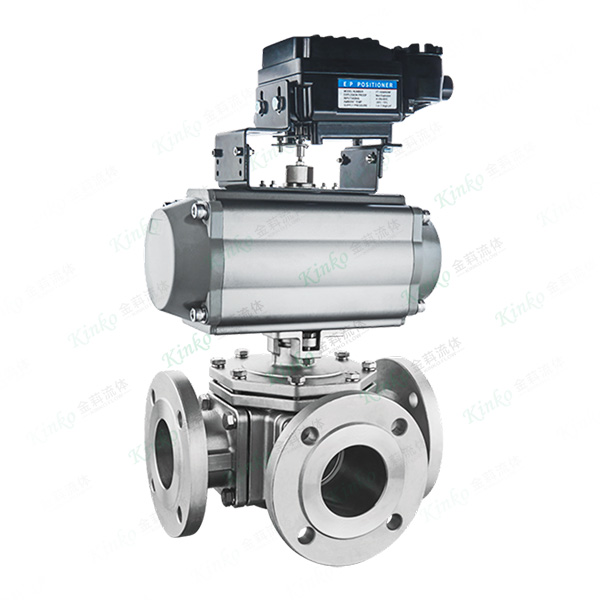
A historical but frequently replicated mistake involves the actuator key falling out due to gravity.
-
The Incident: A documented case where a valve became inoperable because the valve-shaft-to-actuator key fell out. This occurred specifically when the actuator was mounted below the horizontal axis (inverted mounting).
-
The Fix: If you must mount below horizontal, do not rely on a simple press-fit key. Use longer keys that extend above the shaft end, add spacer bushings, or locally upset the keyway material to trap the key.
3. Shaft Misalignment and "Bending" Stress
Misalignment is the silent killer of valve packing and actuator bearings. This occurs when the actuator’s drive train is not perfectly concentric with the valve stem.
-
The Mistake: Tightening all mounting bolts before checking alignment.
-
The Consequence: Premature wear of stem seals (leaks) and high friction leading to motor burnout.
-
Best Practice: Cycle the actuator 2 to 3 times before fully tightening the mounting hardware. This allows the coupling to "center" itself on the valve stem.
4. Wrong Control Signal Mapping (The 4-20mA Trap)
In the rush to get a valve online, electricians often wire the actuator without verifying the "fail-safe" or "fails-last" position logic.
-
The Mistake: Assuming a 4-20 mA input signal corresponds to 0-100% valve stroke without calibration.
-
The Consequence: The valve never fully closes, causing seat leakage, or never fully opens, restricting flow.
-
The Solution: Always perform a "stroke test" during commissioning. Set your controller to 4mA and verify the valve is physically closed using a visual position indicator.
5. Inadequate Mounting Bracket Rigidity
Using a universal bracket that is "close enough" is a recipe for vibration damage.
-
The Mistake: Fabricating a bracket that is too thin or using mismatched bolt grades.
-
The Data Point: Documented incidents where bolts connecting the actuator to the valve yoke were found broken, completely detaching the actuator from the valve due to vibration.
-
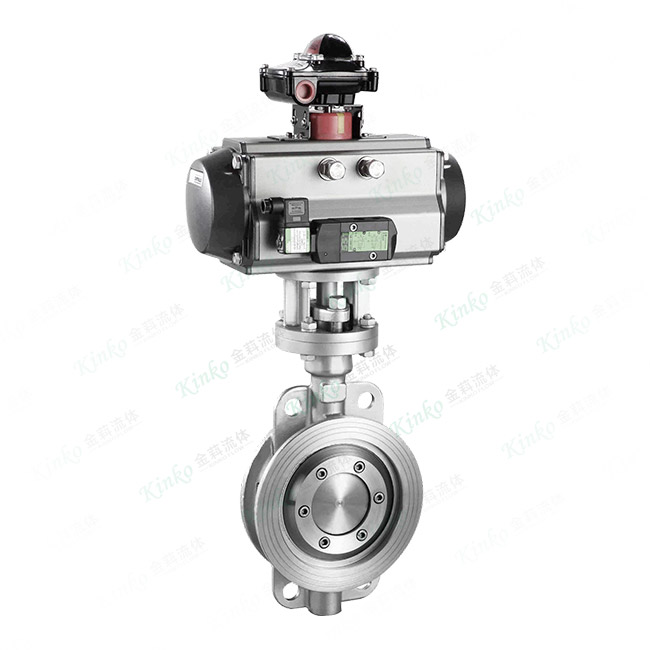
The Fix: Use ISO 5211 compliant mounting kits. These standards define specific F-series (F03, F05, F07, etc.) bolt patterns and dimensions to ensure a rigid connection.
6. Forgetting the Environmental Ingress Protection
Outdoor or washdown environments require specific housing ratings. A standard indoor actuator will fail rapidly if exposed to high-pressure hoses or freezing rain.
-
The Mistake: Using NEMA 4 actuators in submersible environments.
-
The Spec: For extreme conditions (flood-prone areas or sanitation zones), look for NEMA 6P or IP68/IP69K ratings. These enclosures are designed for temporary submersion and high-temperature, high-pressure steam cleaning.
7. Setting Limit Switches Incorrectly (Electric Actuators)
Electric actuators use cams or limit switches to cut power at the end of the stroke. Setting them "too tight" is a common error.
-
The Mistake: Setting the limit switch to activate exactly when the valve touches the seat.
-
The Risk: Inertia carries the valve past the switch, causing the motor to "hammer" or overload, tripping thermal protection.
-
The Fix: Set the "open" limit switch to trigger just before the mechanical stop, allowing the momentum to carry it to a gentle rest, or use torque-seat settings where available.
8. Pneumatic Supply Sizing & Filtration Neglect
Pneumatic actuators are powerful, but they are gasping for breath if the supply lines are too narrow.
-
The Mistake: Measuring air pressure at the compressor (120 PSI) and assuming it reaches the actuator.
-
The Reality: Long tubing runs or undersized fittings cause pressure drops. You need to measure pressure at the actuator port while it is moving.
-
The Result: Slow cycling times and inability to generate rated torque. Always use a proper Air Preparation Unit (Filter-Regulator-Lubricator) to prevent dirt from jamming the solenoid.
9. Failure to Secure Stem Keys and Couplers
Loose hardware inside the coupling is a ticking time bomb.
-
The Mistake: Forgetting to tighten the setscrews on the shaft coupling or losing the anti-rotation pins.
-
The Warning: When you remove an actuator, you must not lose the plate pins or stem keys. If these fall into the valve body or are omitted, the actuator will spin freely on the stem without turning the valve.
10. Ignoring Manual Override Engagement
For actuators with a manual handwheel (override), improper engagement can lead to accidents.
-
The Mistake: Leaving the manual override engaged after manual operation while the actuator is set to "Auto."
-
The Risk: When the control system sends an "Open" signal, the actuator starts, but the manual gear is still locked, causing immediate mechanical failure or shearing of the gear teeth.
-
The Protocol: Always disengage the declutch lever completely. If it is an "infinite" override (non-declutchable), ensure the handwheel is not obstructing rotation.
Technical Summary: Installation Checklist
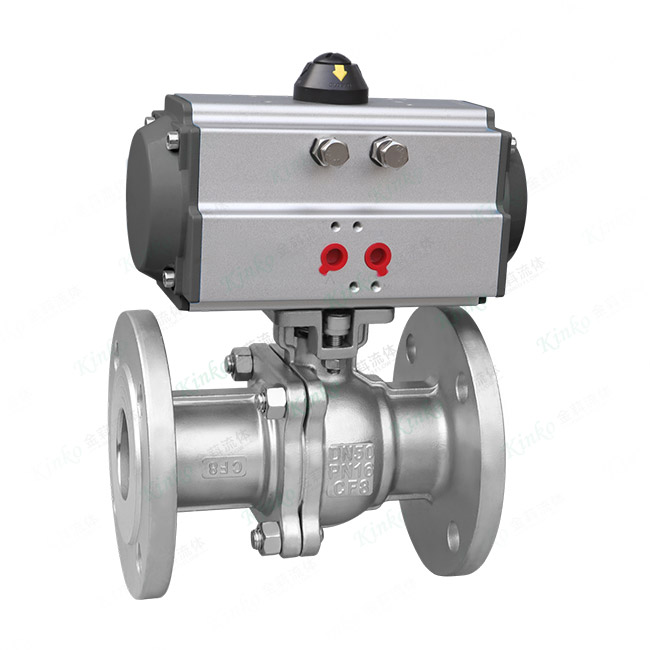
To ensure your Kinko actuation package lasts the life of the valve, use this quick-reference table before powering up.
| Component | Critical Check | Industry Standard / Reference |
|---|---|---|
| Torque | Apply safety factor (1.4x to 2.4x) for media variability. | ISO CD 5115 |
| Hardware | Verify bolts are Grade 8.8 minimum; check for vibration loosening. | IE Info 86-34 |
| Alignment | Cycle valve 2-3 times before final bolt tightening. | Industry Best Practice |
| Electrical | Stroke test at 4mA and 20mA; verify limit cams. | NEMA / IEC 60529 |
| Keyway | If inverted (actuator below shaft), lock the key mechanically. | NRC Circular 80-12 |
| Environment | Verify NEMA 4/4X/6P or IP68 rating for location. | Industry Standards |
Conclusion
Installing a valve actuator is not just about plumbing; it is about motion control engineering. By avoiding these ten mistakes—from the niche "key drop-out" issue to the common sin of torque miscalculation—you protect your process integrity, ensure operator safety, and reduce life cycle costs.
Looking for reliable actuation solutions?
Contact your Kinko sales engineer or browse our product line for certified, high-durability pneumatic and electric actuators.
FAQ: Valve Actuator Installation
Q: What happens if I mount a pneumatic actuator upside down?
A: While possible, it requires specific modifications. Standard actuators rely on gravity for certain internal pilot ports and key retention. Always consult Kinko support if installing below the horizontal axis.
Q: How often should I check actuator mounting bolts?
A: After the first 24 hours of operation (due to settling), then during routine annual maintenance. Vibration can cause nuts to back off significantly.
Q: Do I need a coupling kit for every actuator?
A: Yes. You cannot directly bolt an actuator shaft to a valve stem without a precision-machined coupling (usually a double-square or star drive) that fits the specific ISO 5211 dimensions of your valve.
Ivan (Mobile:+86-18968769287)
WhatsApp:+86-13579991606
Wechat:+86-18968769287
Website:www.kinko-flow.com
ZHEJIANG KINKO FLUID EQUIPMENT CO.,LTD
