Low-Torque Butterfly Valves: Advantages for Automation
What is a Low-Torque Butterfly Valve?
A low-torque butterfly valve is a quarter-turn rotational valve specifically designed to minimize the resistance (friction and hydrodynamic force) required to open, close, or modulate the disc. Unlike standard concentric butterfly valves, low-torque variants utilize advanced seat materials, eccentric disc geometries (double-offset or triple-offset), and streamlined disc profiles.
When integrated with electric or pneumatic actuators, these valves allow for faster cycle times, lower energy consumption, and reduced mechanical stress on the drive train.
Key Advantages for Automated Systems
1. Reduced Actuator Sizing and Cost
The most immediate benefit of a low-torque design is the ability to use a smaller, less expensive actuator. For a given line size and pressure rating, a standard valve might require a 500 Nm actuator, whereas a Kinko low-torque version may only need 250 Nm. This halves the actuator procurement cost and reduces the physical mounting footprint.
2. Energy Efficiency in Continuous Cycling
For processes involving high-frequency cycling (e.g., bottling, chemical injection, or HVAC control), lower torque means lower power draw. Electric actuators running low-torque valves consume significantly less electricity over a 24/7 production cycle.
3. Extended Component Lifespan
Lower operating torque reduces wear on the valve stem, bearings, seat, and the actuator’s gearbox. This minimizes seal friction, preventing "stick-slip" behavior common in high-friction valves. The result is a longer mean time between failures (MTBF) for your entire automated skid.
4. Faster Response and Precise Control
Low breakout torque ensures the actuator responds instantly to control signals. In modulating services (e.g., flow control via 4-20 mA signals), low-torque valves offer smoother positioning without overshoot or hunting, improving process stability.
Critical Applications
-
Water & Wastewater Treatment: Automated aeration control and chemical dosing.
-
HVAC: Large-diameter chilled water and hot water control with low-power actuators.
-
Food & Beverage: Sanitary lines requiring gentle handling and frequent cleaning cycles.
-
Pharmaceutical: Sterile processes requiring predictable low-friction operation.
-
Industrial Skids: Compressed air, cooling loops, and utility stations.
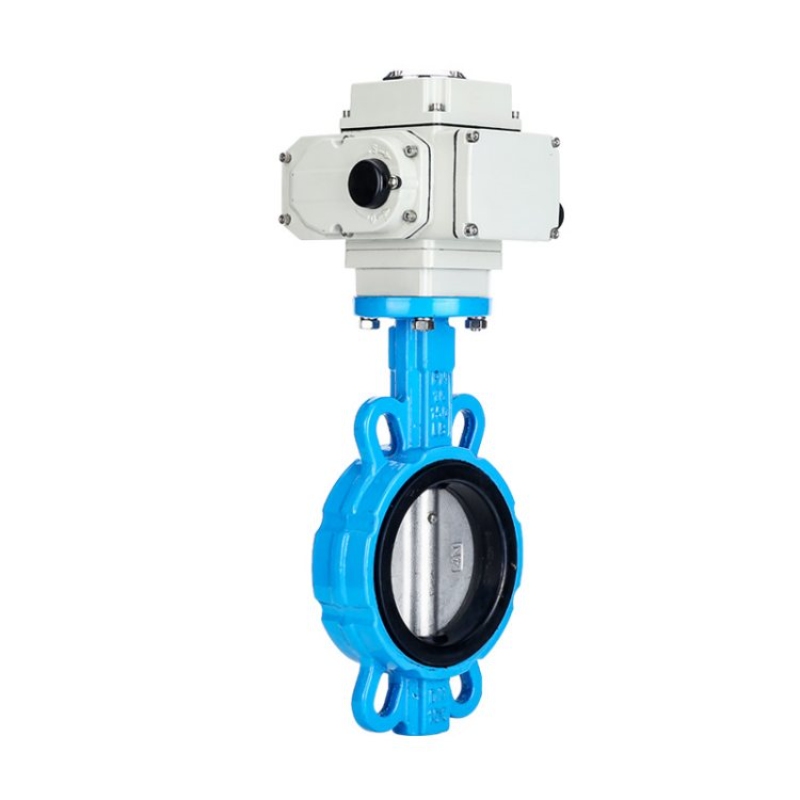
Product Spotlight: Kinko Low-Torque Automated Butterfly Valve Series
Our latest series combines a high-performance disc geometry with self-lubricating bearing materials to deliver best-in-class torque reduction. Below are the standard specifications for our most popular automated-ready models.
| Parameter | Kinko LT-100 Series (Wafer) | Kinko LT-200 Series (Lug) |
|---|---|---|
| Size Range | DN50 to DN600 (2" to 24") | DN50 to DN300 (2" to 12") |
| Max. Operating Pressure | 16 bar (232 psi) | 16 bar (232 psi) |
| Breakaway Torque (DN150 @ 10 bar) | ≤ 85 Nm | ≤ 95 Nm |
| Running Torque (DN150 @ 10 bar) | ≤ 45 Nm | ≤ 50 Nm |
| Seat Material | EPDM / PTFE / Viton | EPDM / PTFE / NBR |
| Disc Material | CF8M (SS316) / Ductile Iron with Coating | CF8M (SS316) / Ductile Iron |
| Top Flange Mounting | ISO 5211 (F05/F07/F10) | ISO 5211 (F05/F07/F10) |
| Temperature Range | -20°C to 150°C (-4°F to 302°F) | -20°C to 150°C (-4°F to 302°F) |
| Automation Compatibility | Electric & Pneumatic (Direct mount) | Electric & Pneumatic (Direct mount) |
Note: Torque values are indicative for clean water/gas media. Actual required torque depends on process media and differential pressure. Please contact Kinko engineering for precise calculations.
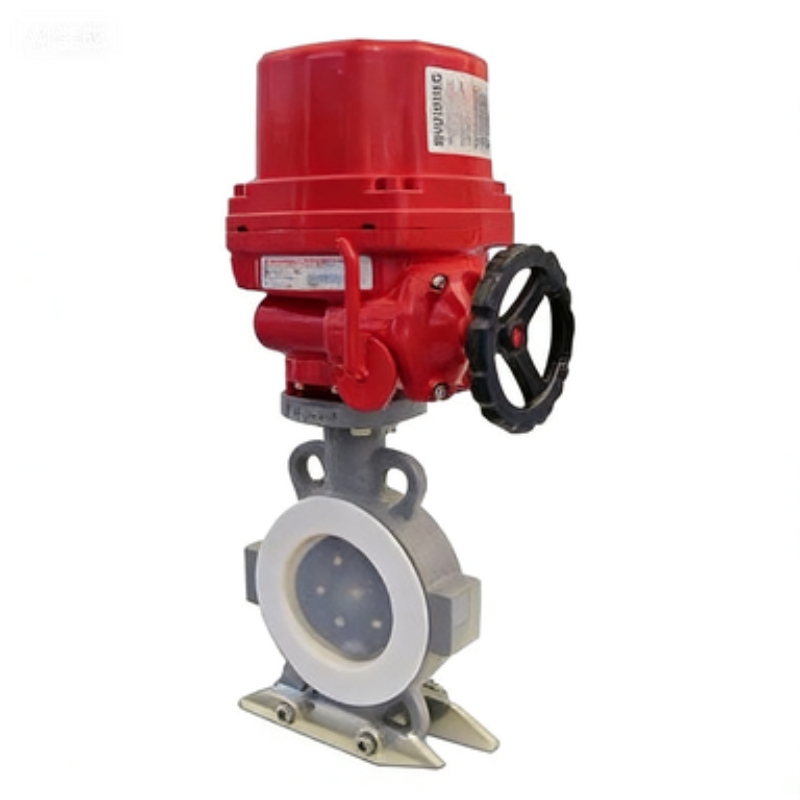
How to Select the Right Low-Torque Valve for Your Actuator
When specifying a low-torque butterfly valve for automation, consider these four factors:
-
Breakaway Torque: The force needed to initially unseat the disc from the seal. Low-torque valves minimize this peak load.
-
Dynamic Torque: The force required to hold or move the disc against fluid flow.
-
Safety Factor: Kinko recommends a 25-30% safety margin between valve torque and actuator rated torque to account for media buildup or temperature fluctuations.
-
ISO 5211 Mounting: Ensure the valve top flange matches your actuator mounting pattern (F05, F07, F10, etc.). All Kinko low-torque valves feature standard ISO 5211 pads for direct coupling.
Conclusion
Upgrading to low-torque butterfly valves is one of the most effective mechanical adjustments you can make to improve your automated system’s efficiency and reliability. By reducing the load on actuators, you cut energy costs, minimize maintenance, and gain finer control over your process.
Kinko offers a full range of low-torque butterfly valves designed for direct integration with leading electric and pneumatic actuator brands.
Contact our automation team today for a torque analysis and a customized quote for your project.
Frequently Asked Questions (FAQ)
Q: Can I retrofit a low-torque disc into my existing standard butterfly valve body?
A: Generally, no. Low-torque performance requires optimized disc geometry, specific seat materials, and reduced stem friction bearings. Retrofitting a disc alone will not achieve the torque reduction. You need a complete assembly like the Kinko LT series.
Q: Are low-torque valves suitable for vacuum service?
A: Yes, our LT-200 lug series maintains seal integrity under vacuum conditions up to absolute 1 mbar, provided the actuator is sized correctly for the differential pressure.
Q: Do low-torque valves have lower pressure ratings?
A: Not inherently. The Kinko LT series maintains full 16 bar pressure ratings. The torque reduction comes from hydrodynamic design and low-friction materials, not from structural weakness.
Keywords: *low-torque butterfly valve, automated butterfly valve, ISO 5211 butterfly valve, electric actuated butterfly valve, low breakout torque, Kinko valve series, valve torque chart*
Ivan (Mobile:+86-18968769287)
WhatsApp:+86-13579991606
Wechat:+86-18968769287
Website:www.kinko-flow.com
ZHEJIANG KINKO FLUID EQUIPMENT CO.,LTD