How to Select Actuators for Steam and High-Temperature Media
1. Understanding the Heat Sources
Before selecting an actuator, identify where heat comes from:
| Heat Source | Description | Typical Temperature |
|---|---|---|
| Conducted heat | Heat travels through valve stem to actuator mounting flange | Up to 200°C at flange |
| Radiated heat | Heat from insulated pipes or vessels radiates to actuator body | 50–150°C ambient |
| Ambient heat | Enclosed space with high air temperature (boiler room, desert) | 60–100°C ambient |
| Process spikes | Short-term temperature excursions during startup or upset | Up to 300°C transient |
Key point: Even if the valve is insulated, the actuator mounting flange can reach high temperatures through conduction.
2. Actuator Type Suitability for High Temperature
| Actuator Type | High-Temperature Suitability | Limitations |
|---|---|---|
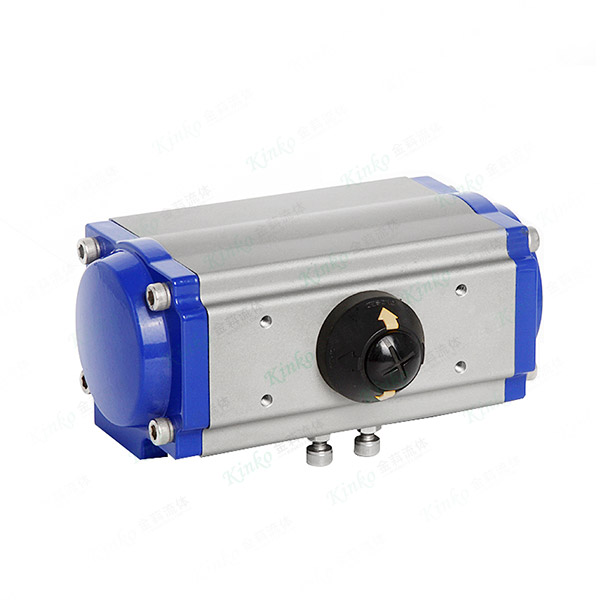
| Pneumatic (piston or diaphragm) | Best | No electrical components to overheat. Use heat shield and high-temp seals. |
| Electric (standard) | Poor | Motor and electronics fail above 70–80°C ambient. |
| Electric (high-temp version) | Fair | Requires special lubricants, high-temp motor insulation, remote electronics. |
| Electro-hydraulic | Fair | Hydraulic fluid viscosity changes at high temperature. Cooler may be required. |
Recommendation: For continuous high-temperature service (above 80°C ambient), pneumatic actuators are the safest and most reliable choice.
3. Critical Selection Criteria
Mounting Distance & Heat Dissipation
The closer the actuator is to the hot valve, the more conducted heat it receives.
Solutions:
-
Use a stem extension (longer neck) between valve and actuator. This increases heat dissipation distance.
-
Install a heat dissipating mounting bracket with cooling fins.
-
For electric actuators, mount the actuator remotely and connect via linkage or flexible shaft.
| Mounting Type | Conducted Heat Reduction |
|---|---|
| Direct mount (no extension) | 0% reduction |
| 100mm stem extension | ~30–40% reduction |
| 200mm stem extension | ~50–60% reduction |
| Remote mounting (linkage) | ~90% reduction |
Seal Material
Standard seals (NBR, standard Viton) harden and fail above 150°C.
| Seal Material | Maximum Continuous Temperature |
|---|---|
| NBR (standard) | 80°C |
| Standard Viton (FKM) | 150°C |
| High-temp Viton (FKM) | 200°C |
| Silicone | 230°C |
| PTFE (Teflon) | 260°C |
| Kalrez / FFKM | 300°C+ |
Recommendation: Specify high-temp Viton or PTFE seals for any actuator mounted on steam service.
Lubricant
Standard greases melt and drip at high temperatures, leaving moving parts dry.
| Lubricant Type | Maximum Temperature |
|---|---|
| Standard lithium grease | 120°C |
| High-temp synthetic grease (PAO) | 180°C |
| Perfluoropolyether (PFPE) grease | 250–300°C |
| Graphite-based dry lubricant | 400°C+ |
Recommendation: For steam service, use PFPE grease (e.g., Krytox, Fomblin). It does not evaporate or break down at high temperatures.
Electric Actuator Thermal Protection
If an electric actuator must be used in high ambient temperatures:
-
Thermal overload switch: Automatically shuts down motor before winding damage occurs.
-
Class H insulation: Motor rated for 180°C winding temperature (standard is Class F, 155°C).
-
Remote electronics: Mount the control board and position transmitter in a cool cabinet, with only the motor and gearbox at the valve.
-
Forced cooling: Add a cooling fan or vortex cooler to the actuator enclosure.
Limitation: Even with these features, electric actuators are generally not recommended for continuous ambient temperatures above 90°C.
Pneumatic Actuator High-Temperature Preparation
Pneumatic actuators are naturally more heat-resistant because they have no electrical components. However, modifications are needed:
-
High-temp seals: Replace standard NBR O-rings with high-temp Viton or PTFE.
-
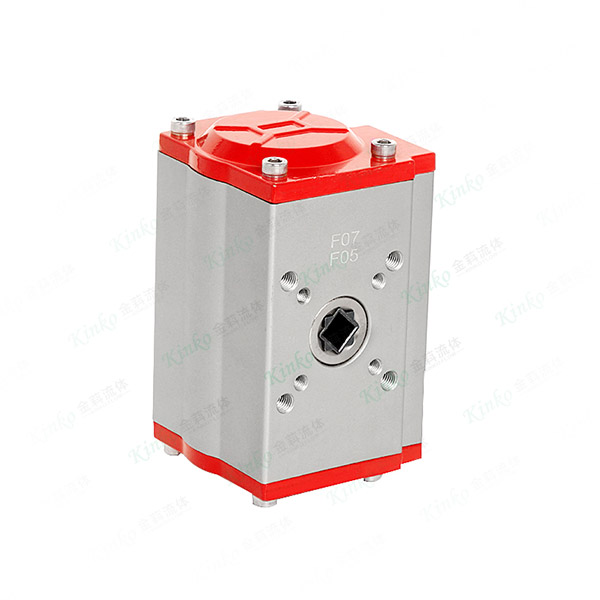
Heat shield: Install a stainless steel heat shield between valve and actuator.
-
Piston guide rings: Use PTFE-based rings (not standard acetal).
-
Springs: Standard springs retain temper up to ~200°C. Above that, use Inconel or high-temp alloy springs.
4. Special Considerations for Steam Service
Condensation Risk
When a hot actuator cools down (e.g., during plant shutdown), condensation can form inside the actuator housing. For electric actuators, this causes short circuits and corrosion.
Solutions:
-
Use space heaters inside electric actuator enclosures to prevent condensation.
-
For pneumatic actuators, install a breather with desiccant or connect to dry instrument air purge.
Thermal Cycling Fatigue
Frequent start-stop cycles cause expansion and contraction of materials. Over time, bolts loosen, seals lose preload, and housings crack.
What to specify:
-
Stainless steel or high-grade aluminum housing (not standard cast iron)
-
Belleville spring washers on mounting bolts to maintain preload
-
Regular torque checks during maintenance
5. Selection Table by Temperature Range
| Maximum Media Temperature | Ambient Temperature at Actuator | Recommended Actuator Type | Special Requirements |
|---|---|---|---|
| Up to 150°C | Up to 60°C | Standard pneumatic or electric with heat shield | High-temp grease |
| 150–200°C | 60–80°C | Pneumatic preferred | High-temp Viton seals, stem extension |
| 200–300°C | 80–120°C | Pneumatic only | PTFE seals, PFPE grease, heat shield |
| 300–400°C | 120–150°C | Pneumatic with remote mounting | Inconel springs, graphite dry lube |
| 400°C+ | 150°C+ | Pneumatic with long stem extension | Special engineering required |
6. Common Mistakes to Avoid
| Mistake | Consequence |
|---|---|
| Using standard electric actuator on steam line | Motor or electronics fail within weeks |
| No heat shield or stem extension | Conducted heat destroys actuator seals |
| Standard NBR seals | Seals harden and leak |
| Standard grease | Grease melts, actuator jams |
| Mounting actuator above hot valve (without shield) | Radiated heat rises directly into actuator |
| No condensation prevention (electric actuator) | Internal corrosion, short circuits |
Ivan (Mobile:+86-18968769287)
WhatsApp:+86-13579991606
Wechat:+86-18968769287
Website:www.kinko-flow.com
ZHEJIANG KINKO FLUID EQUIPMENT CO.,LTD
