How to Replace Seals in an Angle Seat Valve
1. When Should You Replace Seals?
| Symptom | What It Means |
|---|---|
| Valve leaks when closed | Seat seal worn or damaged |
| Valve leaks from actuator vent port | Piston seal failed |
| Valve cycles slowly or sticks | Seal friction increased (wear or swelling) |
| Visible damage (cracks, deformation) | Seal has reached end of life |
| Black residue at exhaust port | Piston seal deteriorating |
| Valve has exceeded expected cycle life | Preventive replacement recommended |
Kinko recommendation: For high‑cycle applications (≥1 million cycles/year), inspect seals every 6 months and replace annually.
2. Tools and Parts Needed
| Item | Purpose |
|---|---|
| Kinko seal replacement kit | Contains all required seals for your valve size |
| Adjustable wrench or socket set | Remove actuator from body |
| Hex keys (Allen wrenches) | Remove bonnet / stem assembly |
| Flathead screwdriver | Pry out old seals |
| Soft cloth or lint‑free wipe | Clean sealing surfaces |
| PTFE tape or thread sealant (optional) | For pilot port fittings (if disturbed) |
| Light lubricant (ISO VG 32) | For piston seal during reassembly |
Important: Always use genuine Kinko seal kits. Generic seals may not fit or have the correct material properties.
3. Kinko Seal Replacement Kit Contents (Typical)
| Component | Quantity | Material |
|---|---|---|
| Seat seal (main sealing disc) | 1 | PTFE |
| Piston seal (actuator) | 1 | PTFE + O‑ring |
| Body bonnet gasket | 1 | PTFE or fiber |
| Stem O‑ring (if applicable) | 2 | FKM or NBR |
| Pilot port O‑ring | 1 | FKM |
Exact contents vary by valve size and configuration. Check your kit.
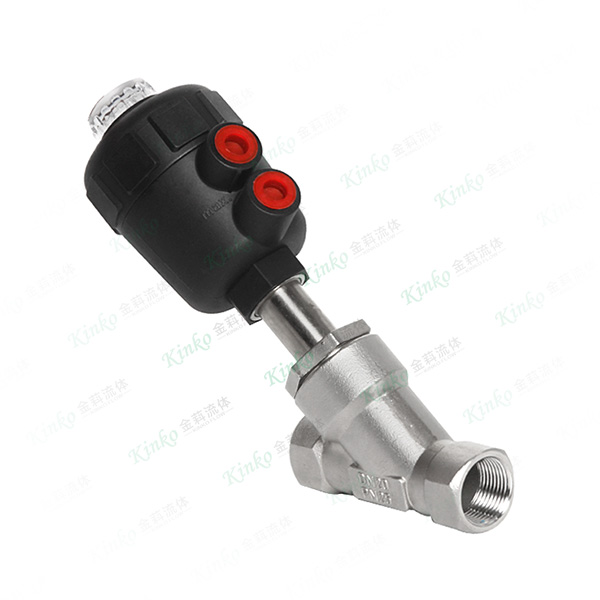
4. Step‑by‑Step Seal Replacement Procedure
Step 1: Prepare the Valve
| Action | Note |
|---|---|
| Disconnect air supply | Ensure zero pressure in actuator |
| Isolate media pressure | Close upstream and downstream valves |
| Depressurize the line | Open vent or drain to release trapped pressure |
| Remove valve from line (optional) | Easier to work on bench, but not always necessary |
Safety first: Media may be hot, corrosive, or under pressure. Wear appropriate PPE.
Step 2: Remove Actuator from Body
| Action | Detail |
|---|---|
| Remove pilot tube / fittings | If solenoid is remote mounted |
| Loosen and remove bonnet nuts | Usually 4 nuts around actuator base |
| Lift actuator straight up | Stem will come with actuator |
Kinko tip: Mark actuator orientation before removal to ensure correct reassembly.
Step 3: Access and Remove Seat Seal
| Action | Detail |
|---|---|
| Locate seat seal inside valve body | PTFE disc at the orifice |
| Pry out old seat seal | Use flathead screwdriver carefully |
| Clean sealing surface | Remove debris, old seal fragments |
| Inspect seat (metal surface) | Should be smooth — no scratches or pitting |
If metal seat is damaged: Valve body may need replacement. Contact Kinko.
Step 4: Replace Piston Seal (Actuator)
| Action | Detail |
|---|---|
| Remove actuator cap (if accessible) | Some designs allow piston access |
| Remove old piston seal | Carefully, avoid scratching piston |
| Clean piston groove | Remove old adhesive or debris |
| Install new piston seal | Ensure it sits flat in groove |
| Lightly lubricate new seal | Use ISO VG 32 oil |
For sealed actuators (non‑serviceable): Kinko actuators are designed for seal replacement. Contact Kinko for specific instructions.
Step 5: Replace Bonnet Gasket and Stem Seals
| Action | Detail |
|---|---|
| Remove old bonnet gasket | From body mating surface |
| Install new gasket | Ensure correct alignment |
| Replace stem O‑rings (if applicable) | Lubricate lightly before installation |
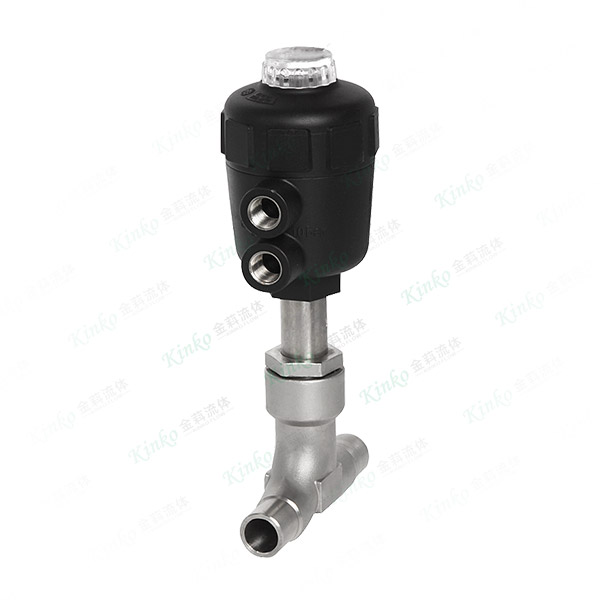
Step 6: Reassemble Valve
| Action | Detail |
|---|---|
| Place actuator back onto body | Align stem with seat |
| Tighten bonnet nuts evenly | Cross‑pattern, torque to spec (see table below) |
| Reconnect pilot air line | Check for leaks |
| Cycle valve several times | Verify smooth operation |
Step 7: Test
| Test | Expected Result |
|---|---|
| Apply air to open/close | Smooth, full stroke |
| Pressurize media line | No leakage from seat |
| Check actuator vent port | No continuous air leakage |
| Cycle 10–20 times | Consistent speed, no sticking |
5. Torque Specifications (Bonnet Nuts)
| Valve Size | Recommended Torque (Nm) |
|---|---|
| DN10 – DN15 | 4 – 6 Nm |
| DN20 – DN25 | 6 – 8 Nm |
| DN32 – DN40 | 8 – 10 Nm |
| DN50 | 10 – 12 Nm |
| DN65 | 12 – 15 Nm |
Note: Overtightening can damage the bonnet gasket or body threads. Use a torque wrench for best results.
6. Seal Replacement Frequency Guide
| Application | Recommended Replacement Interval |
|---|---|
| Clean water, low cycle (<100K/year) | Every 3–5 years |
| Clean water, high cycle (>1M/year) | Every 1–2 years |
| Steam service | Every 1–2 years (or 1M cycles) |
| Corrosive chemicals | Every 1 year (or earlier if leaking) |
| Dirty / abrasive media | Every 6–12 months |
| Food / sanitary | Annually (preventive) |
7. Common Mistakes to Avoid
| Mistake | Consequence | Correct Action |
|---|---|---|
| Using generic or wrong seal kit | Leakage, premature failure | Use Kinko genuine kit |
| Overtightening bonnet nuts | Gasket extrusion, thread damage | Use torque spec |
| Forgetting to lubricate piston seal | Sticking, slow cycling | Light oil on new seal |
| Installing seat seal upside down | No seal, immediate leak | Check orientation (flat side down typically) |
| Reusing old gaskets or O‑rings | Leakage | Always replace all seals in kit |
| Not cleaning sealing surfaces | Debris under seal → leak | Clean thoroughly |
8. When to Replace the Entire Valve (Not Just Seals)
| Condition | Action |
|---|---|
| Body cracked or corroded | Replace valve |
| Metal seat surface damaged (scratched/pitted) | Replace valve (or body if available) |
| Actuator spring broken | Replace actuator (or spring if serviceable) |
| Stem bent or worn | Replace valve |
| Valve has exceeded 5 million cycles | Consider replacement (seals may not be only issue) |
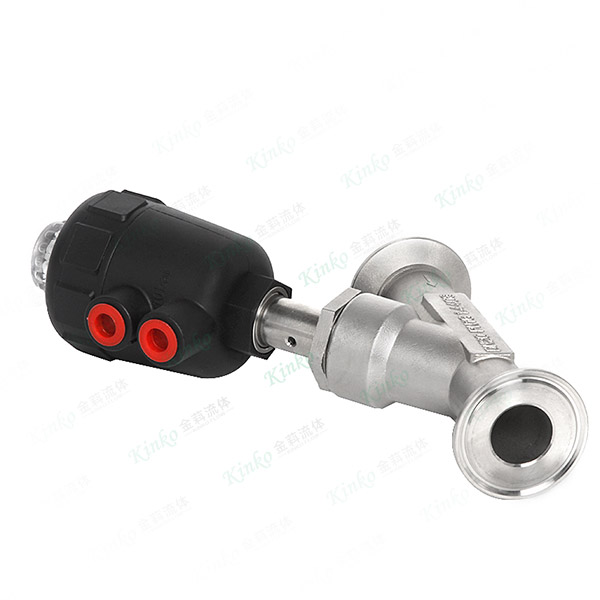
9. Kinko Seal Replacement Kits
| Valve Size | Kit Includes | Order Code |
|---|---|---|
| DN10 – DN15 | Seat seal, piston seal, bonnet gasket, stem O‑rings | KSK‑015 |
| DN20 – DN25 | Seat seal, piston seal, bonnet gasket, stem O‑rings | KSK‑025 |
| DN32 – DN40 | Seat seal, piston seal, bonnet gasket, stem O‑rings | KSK‑040 |
| DN50 | Seat seal, piston seal, bonnet gasket, stem O‑rings | KSK‑050 |
| DN65 | Seat seal, piston seal, bonnet gasket, stem O‑rings | KSK‑065 |
Material options: PTFE (standard), FKM, EPDM, NBR — specify when ordering.
10. Summary – Key Takeaways
✅ Seals are wear parts — they will need replacement eventually
✅ Kinko seal kits include everything needed for a complete rebuild
✅ Always use genuine Kinko seals for proper fit and material
✅ Replacement takes 20–40 minutes for an experienced technician
✅ Torque bonnet nuts to spec — overtightening causes damage
✅ Lubricate piston seal lightly during reassembly
✅ Test thoroughly before returning to service
Regular seal replacement is the single most effective maintenance task to extend angle seat valve life.
11. Need Seals or Replacement Help?
Kinko offers:
-
genuine seal replacement kits for all valve sizes
-
material options: PTFE, FKM, EPDM, NBR
-
technical support by phone or email
-
valve rebuilding service (send us your valve)
Contact Kinko to order seal kits or schedule rebuild service.
Ivan (Mobile:+86-18968769287)
WhatsApp:+86-13579991606
Wechat:+86-18968769287
Website:www.kinko-flow.com
ZHEJIANG KINKO FLUID EQUIPMENT CO.,LTD