How to Maintain Valve Actuators for Longer Service Life
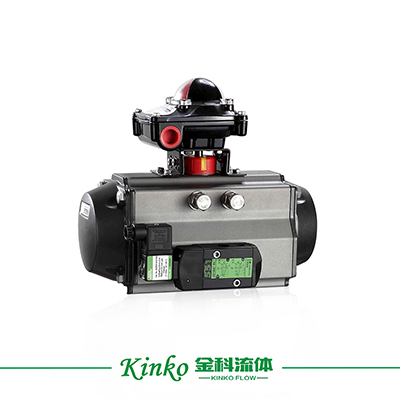
1. Pneumatic Actuator Maintenance (JAT-SR Series)
Weekly Checks
-
Drain air filter bowls – Moisture is the #1 killer of pneumatic actuators.
-
Check supply pressure – Verify it matches actuator rating (typically 4-8 bar).
Monthly Checks
-
Inspect for air leaks – Listen for hissing or use soapy water on fittings and seals.
-
Clean the actuator body – Remove dirt and chemical residue.
-
Check mounting bolts – Ensure actuator-to-valve bolts are tight.
Quarterly Checks
-
Clean or replace solenoid silencers – Clogged silencers slow down operation.
-
Exercise manual override – Ensure it moves freely (prevents seizing).
Annual Maintenance
-
Rebuild with seal kit – If you see leaks, sluggish movement, or after 1 million cycles. Always use genuine KINKO seal kits.
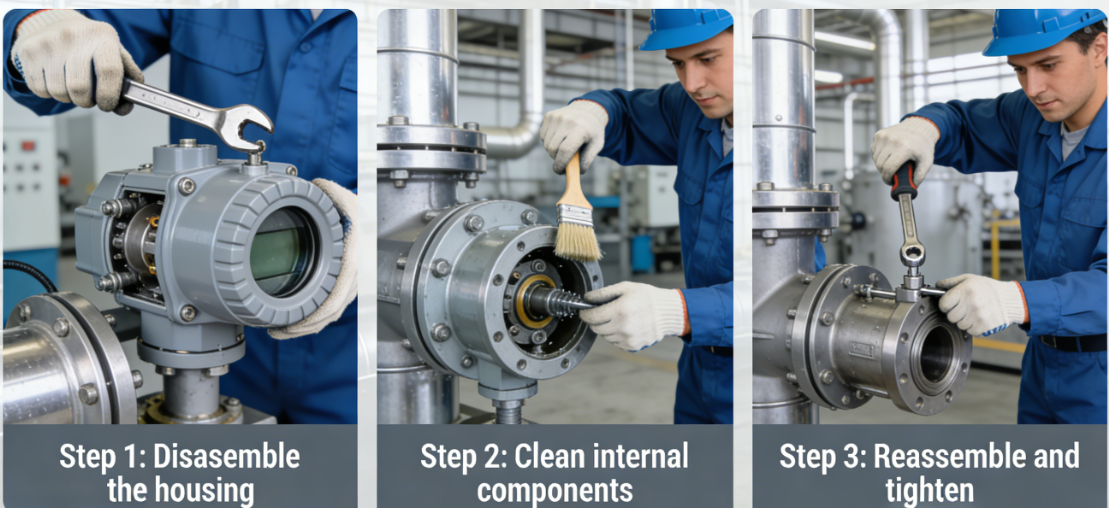
2. Electric Actuator Maintenance (KK Series & JAT Series)
Quarterly Checks
-
Inspect cable glands – Ensure they are tight to maintain IP rating (water/dust seal).
-
Check terminal connections – Turn off power and retighten all screws.
-
Visual inspection – Look for corrosion, moisture inside enclosure, or damaged wires.
Semi-Annual Checks
-
Test manual override – Ensure handwheel or crank operates smoothly.
-
Verify position accuracy – Check if actuator stops at correct open/close positions. Recalibrate if needed.
Annual Maintenance
-
Check gearbox lubrication – For high-cycle applications, verify grease level. Regrease per KINKO specifications if necessary.
-
Battery replacement – If your KK Series has absolute encoder backup battery, replace every 2-3 years (refer to manual).
-
Torque switch test – Simulate overload to ensure torque switches trip at correct settings.
3. Universal Maintenance Tips (All Actuators)
Environmental Protection
-
Know your IP rating: KK Series offers IP68 for submersion; JAT-SR requires protection from direct washdown.
-
Touch up paint: Immediately repair any scratches to prevent corrosion.
-
Desiccant breathers: For electric actuators in humid areas, check and replace desiccant regularly.
Documentation
-
Keep a log: Record maintenance dates, findings, and replacements.
-
Track cycle counts: High-cycle applications (>100,000 cycles/year) need more frequent attention.
-
Monitor trends: For electric actuators, track motor current over time—increasing current means rising friction (time to inspect).
Quick Reference: When to Take Action
| Symptom | Likely Cause | Action |
|---|---|---|
| Slow/erratic movement (pneumatic) | Clogged silencer, low pressure, bad solenoid | Clean silencer, check pressure, rebuild solenoid |
| Air leak (hissing) | Worn seals, loose end caps | Tighten bolts or replace seal kit |
| Actuator won't move (electric) | No power, thermal trip, blown fuse | Check power, allow cool down, replace fuse |
| Position drift (electric) | Encoder issue, loose coupling | Recalibrate, tighten mechanical connections |
| Unusual noise (grinding) | Worn gears, dry lubrication | Inspect gearbox, regrease or repair |
| Corrosion visible | IP rating exceeded, coating damaged | Clean, touch up paint, consider upgrade to IP68 (KK Series) |
Conclusion
Consistent, simple maintenance is the cheapest insurance policy for your valve automation investment. A few minutes of inspection each month can add years to the life of your KINKO JAT-SR, KK Series, and JAT Series actuators.
Need a maintenance kit or replacement parts?
Contact KINKO with your actuator model number for genuine spare parts and technical support.
Ivan (Mobile:+86-18968769287)
WhatsApp:+86-13579991606
Wechat:+86-18968769287
Website:www.kinko-flow.com
ZHEJIANG KINKO FLUID EQUIPMENT CO.,LTD
