Difference Between Rotary and Linear Valve Actuators
What Is a Rotary Actuator?
Rotary actuators produce rotational motion to operate quarter-turn valves. They convert energy (pneumatic, electric, or hydraulic) into torque, rotating the valve stem through a defined angle — typically 90°, though some models offer 120°, 180°, or multi-turn configurations.
Common Applications
| Valve Type | Typical Rotation |
|---|---|
| Ball valves | 90° (quarter-turn) |
| Butterfly valves | 90° (quarter-turn) |
| Plug valves | 90° (quarter-turn) |
| Damper actuators | 90° or variable |
Types of Rotary Actuators
| Type | Description | Best For |
|---|---|---|
| Rack and pinion | Pneumatic actuator with linear piston movement converted to rotation | Most quarter-turn applications; compact, reliable |
| Scotch yoke | Pneumatic or hydraulic; high torque at stroke ends | Large valves, high-pressure applications |
| Electric rotary | Motor-driven with gears; precise positioning | Modulating control, automation integration |
| Vane type | Single or double vane; compact design | Limited space applications |
What Is a Linear Actuator?
Linear actuators produce straight-line motion to operate valves that require linear stem movement. They extend and retract a stem or piston to open, close, or modulate the valve.
Common Applications
| Valve Type | Motion |
|---|---|
| Globe valves | Linear stem movement |
| Gate valves | Linear (multi-turn) |
| Diaphragm valves | Linear (short stroke) |
| Pinch valves | Linear (squeezing action) |
| Control valves | Precise linear positioning |
Types of Linear Actuators
| Type | Description | Best For |
|---|---|---|
| Pneumatic diaphragm | Air pressure against diaphragm; spring return or double acting | Control valves, modulating service |
| Piston (pneumatic/hydraulic) | High force output; long stroke | Gate valves, large globe valves |
| Electric linear (motorized) | Motor-driven with lead screw or ball screw | Precise positioning, clean applications |
| Solenoid | Electromagnetic; short stroke | On/off control, small valves |
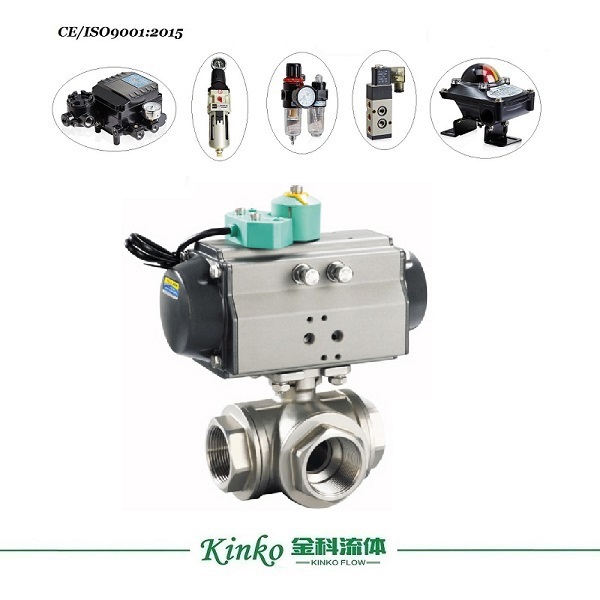
Key Differences at a Glance
| Feature | Rotary Actuator | Linear Actuator |
|---|---|---|
| Output motion | Rotational (typically 90°) | Linear (push/pull) |
| Valve compatibility | Ball, butterfly, plug valves | Globe, gate, diaphragm, control valves |
| Stroke type | Quarter-turn or multi-turn | Linear displacement |
| Typical force output | Torque (Nm or lb-in) | Thrust (N or lbf) |
| Mounting interface | ISO 5211 (F03–F14) | Various stem connections, yokes |
| Footprint | Compact | Typically larger for same valve size |
| Speed | Fast (0.5–5 seconds typical) | Slower (2–30+ seconds typical) |
| Precision | Good for on/off; excellent for modulating with positioner | Excellent for precise flow control |
| Typical applications | On/off isolation, dampers | Throttling, flow regulation, high-pressure drop |
Operating Principle Comparison
Rotary Actuator Operation
-
Energy source (air, electricity) is applied
-
Internal mechanism converts input to rotational torque
-
Output drive rotates valve stem
-
Valve reaches open or closed position (typically 90°)
Example (Rack and Pinion):
Air pressure moves piston(s) linearly → rack drives pinion gear → output shaft rotates → valve operates.
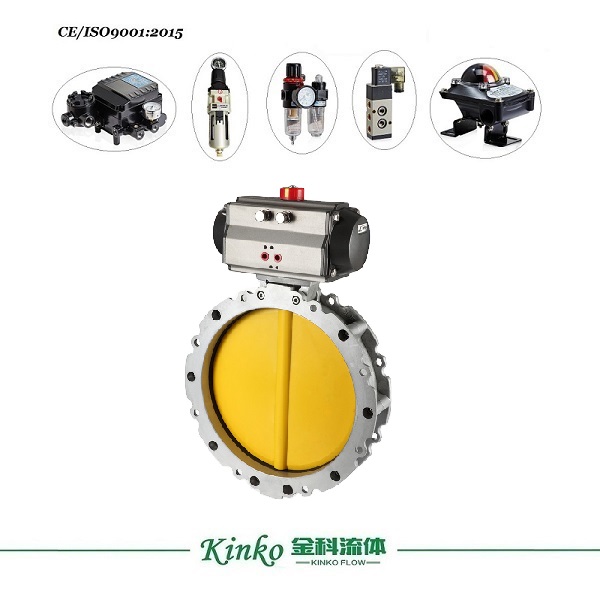
Linear Actuator Operation
-
Energy source is applied
-
Internal mechanism converts input to linear force
-
Stem extends or retracts
-
Valve disc, plug, or gate moves linearly
Example (Pneumatic Diaphragm):
Air pressure acts on diaphragm → stem moves against spring force → valve plug opens or closes proportionally.
Valve Compatibility Guide
| Valve Type | Recommended Actuator Type | Reason |
|---|---|---|
| Ball valve | Rotary | Quarter-turn operation; fast opening/closing |
| Butterfly valve | Rotary | Compact; quarter-turn; excellent torque-to-size ratio |
| Plug valve | Rotary | Quarter-turn; high torque at seating |
| Globe valve | Linear | Stem movement is linear; precise throttling |
| Gate valve | Linear (multi-turn) | Multi-turn operation required for full stroke |
| Diaphragm valve | Linear | Short linear stroke; gentle closure |
| Control valve | Linear or rotary | Depends on valve design; globe valves use linear; rotary control valves use rotary |
Selection Factors: Rotary vs. Linear
When to Choose Rotary Actuators
| Factor | Consideration |
|---|---|
| Valve type | Ball, butterfly, or plug valves |
| Space constraints | Compact footprint; ideal for tight installations |
| Speed requirements | Fast operation (1–3 seconds typical) |
| Cost | Generally lower cost for quarter-turn applications |
| Simple on/off | Well-suited for isolation duties |
| Modulating service | Possible with positioner; accuracy depends on application |
When to Choose Linear Actuators
| Factor | Consideration |
|---|---|
| Valve type | Globe, gate, diaphragm, or control valves |
| Precision control | Superior for throttling and flow regulation |
| High pressure drop | Globe valves with linear actuators handle pressure drops effectively |
| Fail-safe requirements | Spring-return diaphragm actuators offer reliable fail-safe |
| Long stroke | Required for gate valves or multi-turn applications |
| High thrust | Needed for large valves or high-pressure differentials |
Performance Comparison Table
| Parameter | Rotary Actuator | Linear Actuator |
|---|---|---|
| Response time | Fast (0.5–3 sec) | Moderate to slow (2–30+ sec) |
| Position accuracy | ±0.5–2% (with positioner) | ±0.1–1% (with positioner) |
| Duty cycle | Continuous (electric) / Intermittent (pneumatic) | Continuous (electric) / Intermittent (pneumatic) |
| Maintenance | Low; minimal moving parts | Moderate; seals and packing may require attention |
| Sealing | Simpler stem seals | Dynamic stem packing required |
| Life expectancy | 500,000–2,000,000 cycles | 100,000–500,000 cycles (varies by type) |
Common Applications by Industry
| Industry | Rotary Actuator Applications | Linear Actuator Applications |
|---|---|---|
| Oil & Gas | Ball valves for isolation | Globe valves for flow control |
| Water/Wastewater | Butterfly valves for large lines | Gate valves for main lines |
| Chemical Processing | Ball and plug valves for corrosive media | Control valves for precise dosing |
| Power Generation | Dampers, cooling water isolation | Steam control, feedwater regulation |
| Food & Beverage | Sanitary ball valves | Diaphragm valves for hygienic applications |
| HVAC | Dampers, butterfly valves | Chilled water control valves |
| Pharmaceutical | Sanitary ball valves | Sterile diaphragm valves |
Cost Considerations
| Factor | Rotary Actuators | Linear Actuators |
|---|---|---|
| Initial cost | Generally lower for equivalent valve sizes | Higher due to more complex construction |
| Installation cost | Simple mounting (ISO 5211) | More complex; often requires yokes or brackets |
| Maintenance cost | Lower; fewer wear components | Higher; stem packing and seals require attention |
| Total cost of ownership | Lower for on/off applications | Justified for precision control applications |
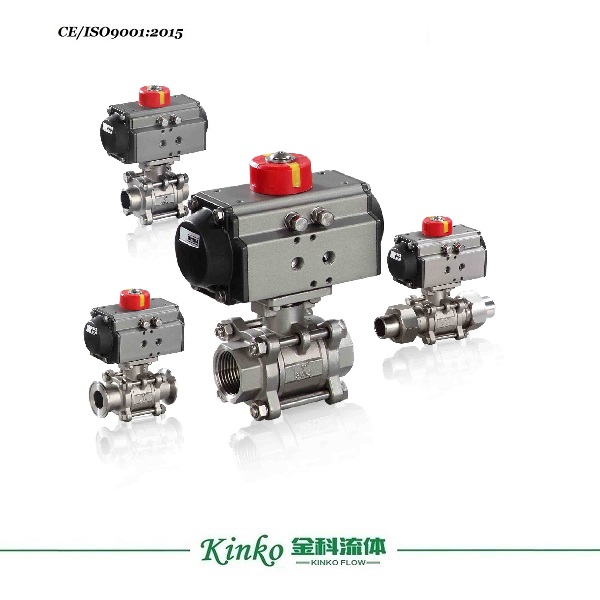
Hybrid Solutions: Rotary Control Valves
Modern automation has introduced rotary control valves — ball or butterfly valves paired with rotary actuators and positioners to provide modulating control. These offer:
-
Lower cost than globe valve/linear actuator combinations
-
Compact footprint
-
Good rangeability (typically 100:1 for segmented ball valves)
-
Low maintenance with fewer sealing points
For applications requiring precise throttling but with space or budget constraints, rotary control valves present an attractive alternative to traditional linear control valves.
Summary: Quick Selection Guide
| If Your Application Requires... | Choose... |
|---|---|
| Fast on/off isolation | Rotary (ball or butterfly) |
| Precise flow regulation | Linear (globe control valve) |
| Quarter-turn valve operation | Rotary |
| Gate or globe valve operation | Linear |
| Compact footprint | Rotary |
| High thrust or long stroke | Linear |
| Simple mounting (ISO 5211) | Rotary |
| Fail-safe with spring return | Both available; diaphragm linear is common |
| Harsh/corrosive environment | Both available in stainless steel |
Final Thoughts
Choosing between rotary and linear valve actuators requires a clear understanding of your valve type, process requirements, and operational goals. Rotary actuators excel in quarter-turn applications where speed, compactness, and simplicity are priorities. Linear actuators are the go-to choice for precise throttling control and applications requiring high thrust or long stroke.
At Kinko, we offer a comprehensive range of both rotary and linear actuation solutions — including pneumatic actuators, electric actuators, stainless steel options, and complete valve-actuator assemblies. Whether you need reliable on/off isolation or precise modulating control, we have the expertise and product range to meet your application requirements.
For assistance with actuator selection or project specifications, feel free to reach out.
Ivan (Mobile:+86-18968769287)
WhatsApp:+86-13579991606
Wechat:+86-18968769287
ZHEJIANG KINKO FLUID EQUIPMENT CO.,LTD