Best Ball Valves for Water Treatment Projects
Why Ball Valves Dominate Water Treatment Applications
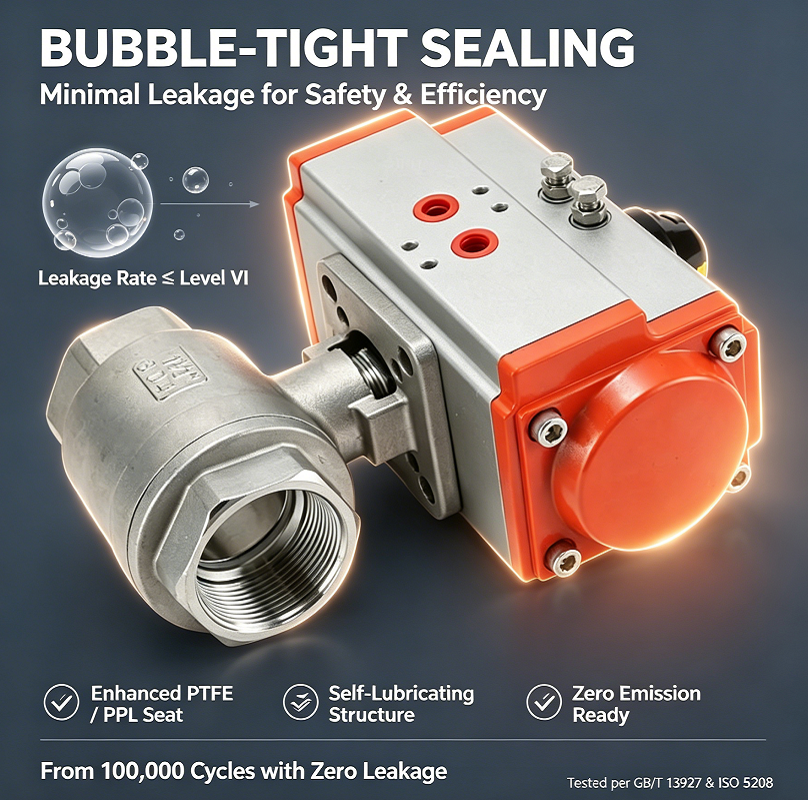
Ball valves are preferred in the water treatment sector due to their quarter-turn operation, which provides reliable shut-off and minimal pressure drop (full-port design). In environments ranging from sludge handling to chemical dosing, the ability to provide a bubble-tight seal is non-negotiable.
Modern water infrastructure projects prioritize low leakage and corrosion resistance. While metal valves are common for high-pressure mains, Thermoplastic Ball Valves (PVC, CPVC, PP, and PVDF) have gained significant traction in chemical dosing and aggressive water applications because they do not rust or scale.
Critical Standards for B2B Procurement (AWWA & API)
Before reviewing specific models, ensure your supplier adheres to these global standards:
-
AWWA C507: Specifically for 6” to 60” ball valves used in water and wastewater systems (pressure ratings up to 300 psi).
-
API 6D: For pipeline valves, ensuring stringent fugitive emission requirements.
-
ISO 17292: For metal ball valves used in petroleum, petrochemical, and related industrial applications.
-
Material Traceability: Suppliers must provide mill test reports (MTRs) for ASTM-grade materials.
Best Ball Valve Types for Different Treatment Stages
1. Chemical Dosing & Corrosive Lines (Best Choice: PVC & PVDF Ball Valves)
For the injection of chlorine, sodium hypochlorite, or coagulants, metal valves will corrode rapidly.
-
Top Pick: PVDF Ball Valve. Offers excellent chemical resistance and temperature tolerance (up to 280°F) for aggressive acids.
-
Budget Pick: UPVC Ball Valve. Cost-effective for low-temperature, low-pressure chemical feeds.
-
Key Feature: True-union ends for easy maintenance.
2. Sludge & Abrasive Media (Best Choice: Full-Port Ductile Iron)
Raw sewage and activated sludge contain solids that can sheer off standard valve seats.
-
Top Pick: Flanged Ductile Iron Ball Valve. The full-port design prevents clogging, while the epoxy coating provides internal corrosion resistance.
-
Key Feature: Trunnion-mounted design for high-pressure drop applications, reducing torque and wear.
3. Large Diameter Main Lines (Best Choice: Flanged & Trunnion)
For lines 6” and above, cost-efficiency is key. For critical isolation where zero leakage is mandated, a Trunnion Ball Valve meeting AWWA C507 is the industry standard.
Technical Comparison Table
| Material / Type | Best Application | Pressure Rating | Temp Range (Max) | Key B2B Feature |
|---|---|---|---|---|
| PVDF Ball Valve | Chemical Dosing (Acids/Solvents) | PN10 - PN16 | 280°F (138°C) | Extreme chemical resistance |
| CPVC Ball Valve | Hot Water / RO Reject Lines | PN16 | 200°F (93°C) | Higher temp resistance than PVC |
| Stainless Steel 316 | High-Pressure Skids / Pump Stations | Up to 1000 PSI | High | Sanitary / High strength |
| Ductile Iron (Epoxy) | Raw Water Intake / Large Mains | Class 150 / 300 | 125°F (52°C) | Trunnion design / Low torque |
| UPVC / PVC-U | Irrigation / Filtration / Drain lines | PN10 - PN16 | 140°F (60°C) | Low cost / No rust |
How to Evaluate Ball Valve Suppliers
When sourcing from global markets, use these quantifiable metrics to filter suppliers:
Production Capacity & Lead Times
For infrastructure projects, delays are costly. Look for suppliers with on-time delivery rates above 98%. Integrated manufacturers (casting, machining, assembly in-house) generally reduce lead times by 20%.
Quality Verification
Do not skip the sample phase. A professional supplier will provide:
-
Hydrostatic Testing: Verification of shell and seat leakage (API 598).
-
Material Certificates: 3.1 certification for metal components.
-
Actuator Mounting: Ensure the valve meets ISO 5211 mounting standards for future automation.
Specifics for Plastic Valves
If sourcing plastic ball valves, verify the mold quality. High-quality injection molding ensures uniform wall thickness and prevents leaks at the union joints. Check if the supplier uses EPDM or FKM seals, as this determines chemical compatibility with water treatment agents.
Automation & Smart Water Integration
The trend is toward smart water management. For projects requiring remote monitoring or SCADA integration, consider:
-
Electric Actuated Ball Valves: Ideal for precise flow regulation in filtration backwash cycles.
-
Pneumatic Stainless Steel Valves: Best for high-cycle applications requiring fast open/close rates.
Ensure the valve supplier offers pre-assembled actuation with matching torques, as mismatched mounting is a leading cause of premature failure.
Conclusion
The best ball valve for your water treatment project balances total cost of ownership with specific chemical and mechanical demands. For corrosive environments, PVDF and CPVC provide longevity. For large-scale municipal infrastructure, AWWA C507-compliant ductile iron is the only safe choice.
By prioritizing suppliers who offer transparent test reports, high reorder rates, and strict adherence to ASTM or API standards, you de-risk your procurement process and ensure decades of reliable service.
Ready to source for your next project? Review the technical table above and contact vetted suppliers with your RFQ details.
Ivan (Mobile:+86-18968769287)
WhatsApp:+86-13579991606
Wechat:+86-18968769287
Website:www.kinko-flow.com
ZHEJIANG KINKO FLUID EQUIPMENT CO.,LTD
