Best Actuators for Water Treatment & Wastewater Systems
1. Key Applications & Actuator Requirements
| Application | Valve Type | Actuator Requirement |
|---|---|---|
| Raw water intake | Gate valve, butterfly valve | High torque, fail-safe (often open) |
| Clarifier sludge discharge | Knife gate valve, plug valve | Corrosion resistance, cycle endurance |
| Chemical dosing (chlorine, coagulant) | Diaphragm valve, needle valve | Precise modulating control, explosion-proof for chlorine |
| Filter backwash | Butterfly valve, ball valve | Fast stroking, high cycle life |
| Effluent discharge | Large butterfly valve | Weatherproof (IP68), torque limiting |
2. Best Actuator Types by Scenario
Electric Actuators (Most Common for Water/Wastewater)
Electric actuators are preferred for most water treatment applications due to clean operation, no compressed air lines, and easy integration with SCADA.
Advantages:
-
No pneumatic tubing or air dryers
-
Precise positioning (modulating duty)
-
IP68 available for submerged or pit installations
-
Low operating cost
Recommended for:
-
Clarifier drives
-
Filter backwash valves
-
Effluent discharge valves
-
Remote sites without instrument air
Key spec: Look for IP68 rating (continuous submersion) and manual override for power outage situations.
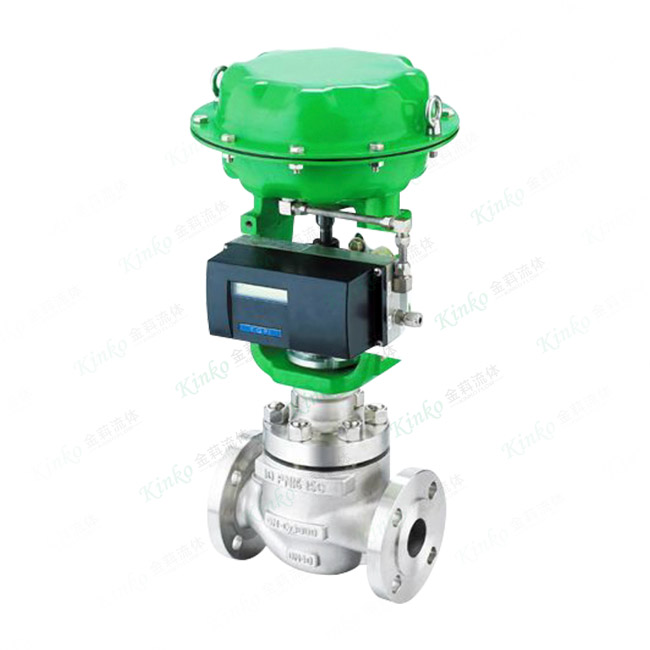
Pneumatic Actuators (Best for High Cycle & Hazardous Areas)
Pneumatic actuators remain popular for fast cycling and chemical dosing areas where explosion-proof electric actuators are expensive.
Advantages:
-
Very fast stroking (1–2 seconds)
-
Inherently safe for hazardous areas (no spark risk)
-
Spring-return fail-safe available
-
Lower upfront cost for simple on/off duty
Recommended for:
-
Chlorine and ozone dosing systems (ATEX required)
-
Fast-acting filter backwash valves
-
Large-diameter valves with high thrust
Key spec: Use corrosion-resistant materials (stainless steel or coated aluminum) for wastewater environments with H2S gas.
Electro-Hydraulic Actuators (For Heavy-Duty & Fail-Safe)
Where high torque and fail-safe are required without instrument air, electro-hydraulic actuators offer a hybrid solution.
Advantages:
-
Very high torque output (up to 50,000 Nm)
-
Fail-safe via spring or accumulator
-
No external hydraulic power unit needed
Recommended for:
-
Large raw water gates
-
Effluent pump discharge valves requiring emergency closure
Key spec: Verify ingress protection (IP67 minimum) for outdoor pits.
3. Critical Selection Factors for Water/Wastewater
Corrosion Protection
Wastewater contains H2S (hydrogen sulfide), which corrodes standard aluminum or carbon steel actuators.
What to specify:
-
Stainless steel housing (316SS) for aggressive environments
-
Epoxy-coated aluminum with at least 300 microns coating thickness
-
Sealed internal electronics (conformal coating)
Ingress Protection (IP Rating)
Many actuators are installed in valve pits, flood-prone areas, or washdown zones.
| IP Rating | Suitable for |
|---|---|
| IP65 | Indoor, dry control rooms |
| IP67 | Temporary submersion (rain, hose-down) |
| IP68 (continuous) | Valve pits, flooded chambers, outdoor burial |
Recommendation: For wastewater, specify IP68 as standard. The cost difference is minimal compared to pump replacement or system downtime.
Modulating vs. On-Off Duty
-
On-Off: Simple open/close. Use for isolation valves, backwash sequences.
-
Modulating: Continuous positioning (4–20 mA signal). Required for chemical dosing, flow control valves.
Note: Modulating electric actuators require higher cycle life ratings. Look for >500,000 cycles for dosing applications.
Manual Override
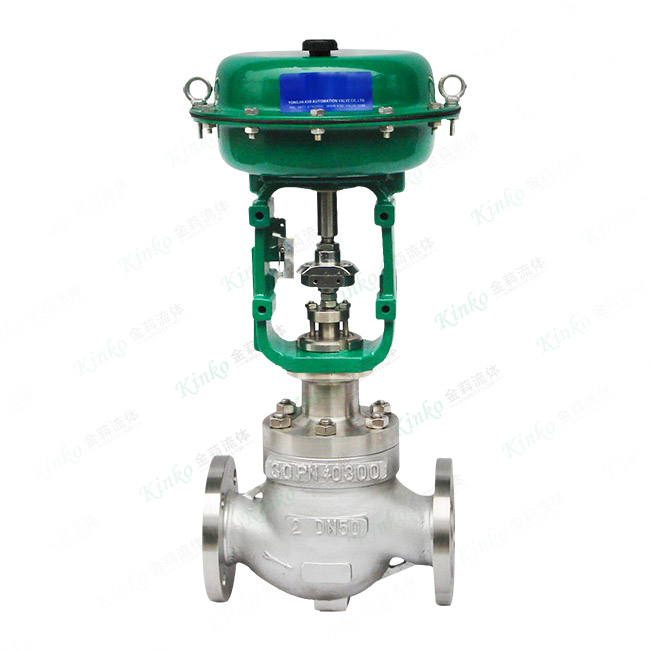
All actuators in water treatment should include a manual handwheel or declutch lever. Power outages are common, and operators must still be able to close valves.
4. Avoid These Common Mistakes
| Mistake | Consequence |
|---|---|
| Using IP65 in a wet pit | Water ingress, actuator failure within months |
| Standard aluminum in H2S area | Corrosion, jammed valve, process shutdown |
| No manual override | Unable to close valve during power failure |
| Under-sizing torque | Valve does not seat properly, leakage |
| On-off actuator used for modulation | Premature wear, overheating |
5. Quick Selection Table by Application
| Application | Recommended Actuator Type | Minimum IP Rating | Special Requirement |
|---|---|---|---|
| Raw water intake gate | Electro-hydraulic or multi-turn electric | IP68 | High torque, fail-open |
| Clarifier sludge knife gate | Electric (quarter-turn) | IP67 | Corrosion-resistant coating |
| Chemical dosing pump | Electric modulating | IP65 | 4–20 mA control, >500k cycles |
| Chlorine gas valve | Pneumatic (spring-return) | IP65 | ATEX / IECEx, fail-closed |
| Filter backwash butterfly | Pneumatic or fast-acting electric | IP67 | Fast stroking (<3 sec) |
| Effluent discharge | Electric (quarter-turn) | IP68 | Torque limiting, manual override |
6. B2B Procurement Checklist
When sourcing actuators for a water or wastewater facility, verify these items with your supplier:
-
Is the IP rating suitable for the actual installation environment (including flooding risk)?
-
Are housings and fasteners corrosion-resistant (316SS or heavy epoxy coating)?
-
Does the actuator support the required cycle life for modulating or frequent on/off duty?
-
Is a manual override included and accessible?
-
For remote sites, is the actuator compatible with battery backup or solar power?
Final Takeaway
Water and wastewater systems are not the most glamorous fluid control applications, but they are among the most punishing. The best actuator for the job is not always the cheapest upfront—it is the one that runs reliably for years in a wet, corrosive, and often inaccessible environment.
Specify IP68. Specify corrosion protection. And always include a manual override.
Ivan (Mobile:+86-18968769287)
WhatsApp:+86-13579991606
Wechat:+86-18968769287
Website: www.kinko-flow.com
ZHEJIANG KINKO FLUID EQUIPMENT CO.,LTD
