How to Install a Ball Valve Correctly to Avoid Leaks
Ball valves are widely used in water supply, oil, gas, chemical and industrial piping systems. Improper installation is the main cause of medium leakage, loose connection, sealing failure and short service life. For B2B buyers, engineers and installation technicians, mastering standard ball valve installation steps and key precautions can effectively eliminate hidden leakage risks, reduce later maintenance costs and ensure stable long-term pipeline operation. This complete installation guide covers pre-inspection, step-by-step installation, direction rules, torque control and post-installation testing, fully matching Kinko ball valve installation standards.
Pre-Installation Inspection & Preparation
1. Valve Condition Check
-
Verify valve model, nominal diameter, pressure rating and material match actual working conditions
-
Manually switch the valve fully open and fully closed several times to confirm flexible operation without jamming
-
Inspect valve body, flange surface, thread end and sealing surface for cracks, scratches, sand holes and deformation
-
Check internal seat seal, ball body and gasket for intact condition, no aging or damage
2. Pipeline Preparation
-
Clean all pipeline internal impurities, welding slag, rust, dust and residual debris to prevent scratch sealing parts
-
Ensure pipeline installation is horizontal or vertical without forced bending and position deviation
-
Confirm pipeline flange parallelism, same center alignment, avoid eccentric assembly
-
Reserve enough operation space for valve handle, actuator and later maintenance
3. Auxiliary Tools & Accessories
-
Prepare matched gaskets, bolts, nuts, sealing tape, wrench and torque tools
-
Select suitable sealing accessories according to medium temperature and corrosion property
Confirm Ball Valve Installation Flow Direction
Most full port and standard port ball valves are bidirectional flow, which can be installed in both directions.
-
Marked flow arrow ball valves: strictly install according to arrow direction
-
Steam, high temperature and viscous medium pipeline: follow factory flow direction mark
-
Wafer ball valve: keep clamping surface flat, no reverse clamping
-
Never install ball valve upside down with handle downward in buried pipeline
-
Step-by-Step Standard Installation Process
1. Threaded Ball Valve Installation
-
Wrap raw sealing tape evenly clockwise on external thread, do not cover the first thread port
-
Screw the valve gently by hand first, then tighten with wrench, do not use excessive force
-
Avoid skewing during screwing to prevent thread cracking and internal seal damage
-
Do not use valve handle as force point for twisting, prevent operating mechanism deformation
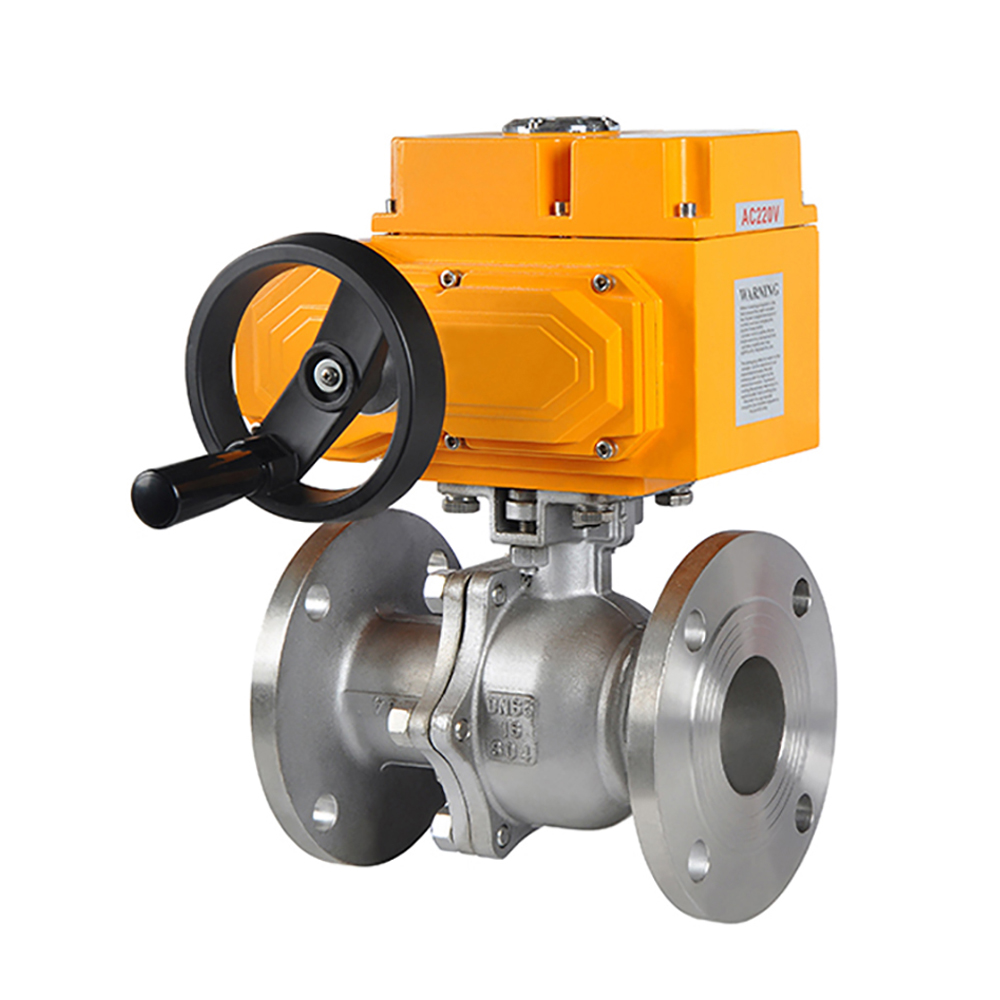
2. Flanged Ball Valve Installation
-
Place qualified flat gasket evenly between two pipeline flanges, keep centered without offset
-
Align flange bolt holes accurately, penetrate all bolts in sequence
-
Tighten bolts diagonally in cross order step by step, not tighten one side fully at once
-
Control uniform fastening force to avoid flange deformation leading to side leakage
-
Keep valve body free from external pipeline tension and compression stress
3. Wafer Ball Valve Installation
-
Place wafer valve smoothly between two pipeline flanges
-
Use full-length through bolts to clamp firmly on both sides
-
Ensure even stress around the valve body, no tilt and unilateral compression
-
Strictly match flange pressure level consistent with wafer valve pressure rating
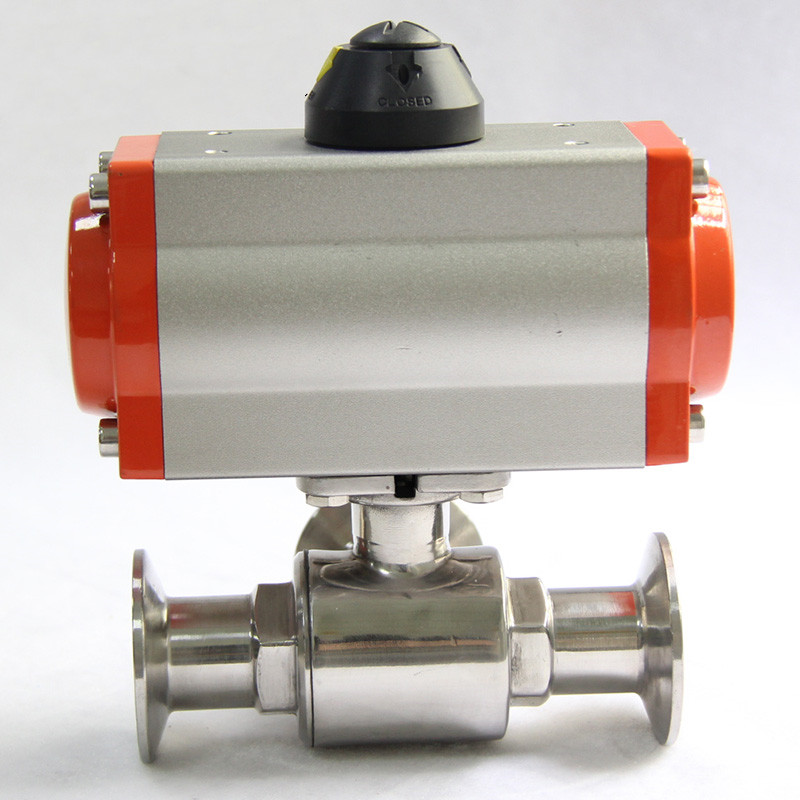
4. Actuated Ball Valve Installation (Electric & Pneumatic)
-
Keep actuator in horizontal stable state, avoid long-term heavy pressure extrusion
-
Install in dry and ventilated position, keep away from high heat source and liquid splash area
-
Complete wiring and air pipe connection after fixed valve body, follow explosion-proof rules for explosion-proof type
-
After installation, debug full open and full closed limit position to avoid over-travel damage
Key Installation Rules to Prevent Leakage
-
Do not install ball valve in strong vibration position for a long time, add fixing support if necessary
-
Reserve thermal expansion gap for high temperature medium pipeline to avoid valve body extrusion crack
-
Do not use ball valve to correct pipeline installation deviation, forced assembly will cause permanent sealing damage
-
During welding construction, keep the valve in fully open state, prevent welding slag burning the ball surface and seal seat
-
Avoid direct impact and heavy knocking on valve body after installation
-
Different medium choose matched seal material, PTFE seal cannot be used for ultra-high temperature working condition
Common Leakage Positions & Solutions
| Leakage Position | Main Cause | Correct Solution |
|---|---|---|
| Flange Connection Leakage | Gasket offset, uneven bolt force, flange uneven | Replace new gasket, tighten bolts diagonally, adjust pipeline levelness |
| Thread Connection Leakage | Insufficient sealing tape, loose screwing, thread damage | Rewind sealing tape, standard tightening, replace defective thread valve |
| Stem Packing Leakage | Packing aging, loose gland nut | Properly tighten packing gland, replace new packing |
| Internal Seal Leakage | Impurity stuck between ball and seat, seal worn | Dismantle and clean internal dirt, replace sealing seat |
| Valve Body Sand Hole Leakage | Casting defect, overpressure use | Replace qualified valve, strictly follow rated pressure |
Post-Installation Pressure Test
-
Keep the valve half-open state before pressure test
-
Carry out water pressure or air tightness test according to pipeline standard pressure
-
Maintain test pressure for 5-15 minutes, observe all connection positions without bubble and seepage
-
Confirm no leakage officially put into use, timely adjust and repair slight seepage problem
-
Record installation and test data for later maintenance reference
Daily Installation & Usage Taboos
-
It is forbidden to use auxiliary lever to lengthen handle for forced switch
-
Do not stay in half-open state for long-term throttling use, easy to cause seal erosion damage
-
Low temperature medium pipeline needs heat preservation installation to prevent frost crack
-
Outdoor installed ball valves add rainproof and dustproof protection cover
-
Regularly slightly switch the valve to prevent internal medium solidification causing blocking
Kinko Professional Installation Suggestion
All Kinko series ball valves including wafer ball valves, flanged ball valves, threaded ball valves and explosion-proof ball valves are manufactured in strict accordance with international industry standards. Unified standard installation process can maximize the service life of valves, effectively cut off all leakage points.
Reasonable installation not only solves on-site leakage troubles, but also reduces after-sales replacement and maintenance costs for engineering projects. If you have special medium, ultra-high pressure, low temperature and special pipeline installation demands, Kinko professional technical team can provide targeted installation guidance and customized matching scheme.
Ivan (Mobile:+86-18968769287)
WhatsApp:+86-13579991606
Wechat:+86-18968769287
Website: www.kinko-flow.com
ZHEJIANG KINKO FLUID EQUIPMENT CO.,LTD
