How to Clean and Service a Ball Valve: Step-by-Step Guide
When to Clean & Service a Ball Valve
| Symptom | Likely Cause |
|---|---|
| High operating torque | Dried residue, debris, or seat swelling |
| Valve sticks or binds | Solids buildup in ball cavity |
| Seat leakage (closed position) | Worn or contaminated seats |
| Stem leakage | Worn packing or loose gland |
| Unusual noise during operation | Debris inside body cavity |
Recommended schedule:
-
Clean service (water, air, light oil): Inspect every 2–3 years
-
Dirty or sticky service: Inspect every 6–12 months
-
Slurry or abrasive service: Inspect every 3–6 months
Safety First – Before You Start
⚠️ CRITICAL SAFETY STEPS:
Isolate the line – close upstream and downstream valves
Depressurize completely – bleed trapped pressure
Drain fluid – ensure no hazardous residue remains
Lock out / tag out (LOTO) – prevent accidental operation
Wear appropriate PPE – gloves, goggles, face shield
Never attempt to service a pressurized ball valve.
Tools You Will Need
| Tool | Purpose |
|---|---|
| Wrenches (open-end or socket) | Remove body bolts / bonnet nuts |
| Screwdrivers (flat and Phillips) | Lever and pry |
| Soft brush (nylon or brass) | Clean ball and body cavity |
| Soft cloths (lint-free) | Wipe surfaces |
| Fine sandpaper (600–1000 grit) | Polish minor scratches on ball |
| PTFE tape or pipe dope | Seal threads during reassembly |
| Replacement seat kit | Seats, seals, packing (as needed) |
| Valve grease / lubricant | PTFE-based or silicone-based |
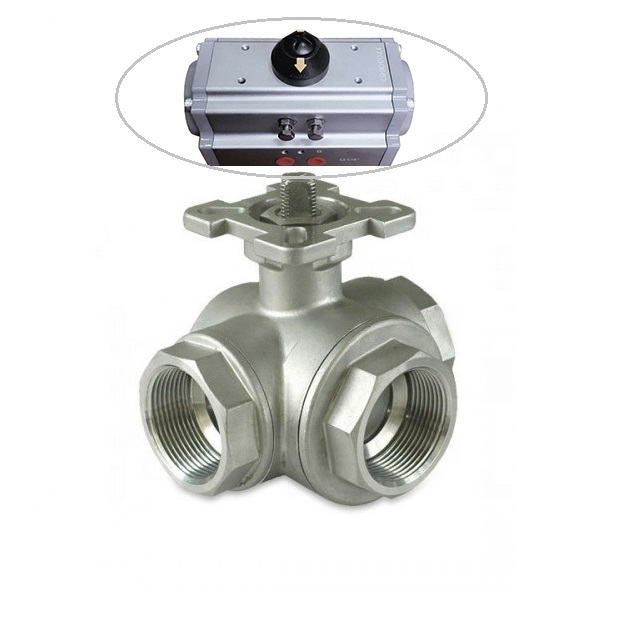
Step-by-Step Cleaning & Service Procedure
Step 1: Remove Valve from Line (If Necessary)
For thorough cleaning, remove the valve from the pipeline. For simple cleaning (flushing), valve can remain in place.
Step 2: Disassemble the Valve
Floating ball valve (most common):
-
Remove actuator or handle (if present)
-
Loosen and remove body bolts / nuts
-
Carefully separate body halves
-
Remove ball, seats, and stem
Typical internal components (in order):
| Position | Component |
|---|---|
| 1 | Body (end piece) |
| 2 | Seat (end) |
| 3 | Ball (with stem slot) |
| 4 | Seat (center) |
| 5 | Stem |
| 6 | Stem packing |
| 7 | Body (center) |
Step 3: Clean All Components
| Component | Cleaning Method | Do NOT Use |
|---|---|---|
| Ball | Soft brush + mild detergent + water | Steel wool, wire brush (scratches) |
| Seats (PTFE/PEEK) | Soft cloth + mild solvent | Abrasives, sharp tools |
| Body cavity | Flush with solvent, wipe dry | Hard scrapers |
| Stem | Wipe clean | Abrasives |
| Bolts / hardware | Wire brush (light) | – |
For stubborn deposits:
-
Soak ball in warm soapy water (20–30 minutes)
-
Use plastic scraper – never metal on ball surface
-
Mineral spirits for oil/grease residue
Step 4: Inspect for Wear or Damage
| Component | Inspect For | Action if Damaged |
|---|---|---|
| Ball | Scratches, pitting, dull finish | Light polish (fine sandpaper) or replace |
| Seats | Cracks, deformation, wear | Replace (always replace seats if disassembled) |
| Stem | Grooves, corrosion, straightness | Replace |
| Packing | Flattening, hardening, cracks | Replace |
| Body sealing surfaces | Nicks, scratches | Light polish or replace body |
Best practice: Always replace seats, stem seals, and body O-rings when servicing – they are wear parts.
Step 5: Lubricate (If Applicable)
| Valve Type | Lubrication Needed | Lubricant Type |
|---|---|---|
| Soft-seated (PTFE/PEEK) | Minimal – seats are self-lubricating | Light silicone grease on stem only |
| Metal-seated | Yes | High-temperature anti-seize or graphite |
| Stem / packing area | Light coating | PTFE-based grease |
Caution: Do not over-lubricate soft-seated valves – excess grease can trap debris.
Step 6: Reassemble
Reverse of disassembly:
-
Insert stem into body (with fresh packing rings)
-
Install first seat
-
Insert ball – align stem slot with ball groove
-
Install second seat
-
Close body halves – ensure alignment marks match
-
Tighten body bolts evenly in a cross pattern
Torque sequence (example – 4 bolts):
    1       2
     ┌─────┐
     │     │
     │     │
     └─────┘
    4       3
Tightening: Hand-tight → 25% torque → 50% torque → 100% torque (cross pattern)
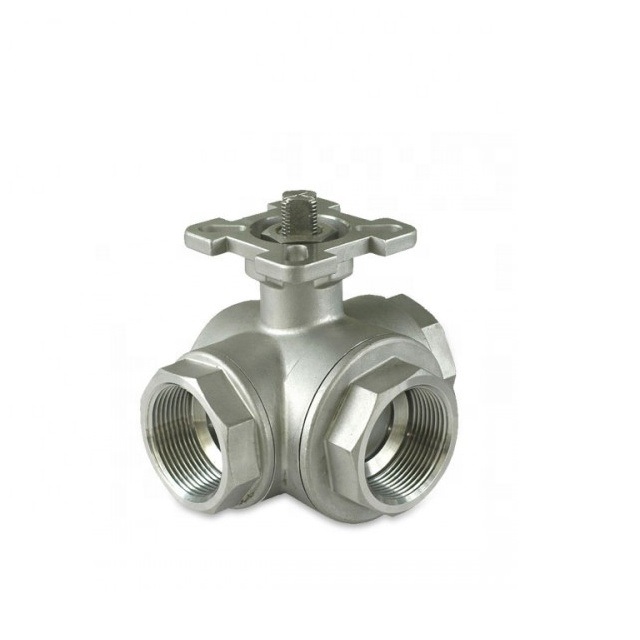
Step 7: Test Before Reinstalling
Perform a bench test:
-
Rotate valve open/closed several times – should move smoothly
-
Apply low-pressure air (if safe) – test seat sealing
-
Check stem for leakage
Step 8: Reinstall and Leak Test
After reinstalling in line:
-
Pressurize slowly
-
Check body joints for external leakage
-
Cycle valve open/closed – verify operation
-
Check for seat leakage in closed position
Quick Maintenance Table (By Service Type)
| Service Type | Cleaning Method | Frequency | Replace Seats? |
|---|---|---|---|
| Clean water / air | Flush only | 2–3 years | No |
| Light chemical | Flush + wipe ball | 12–18 months | No (inspect) |
| Sticky / viscous | Full disassembly | 6–12 months | Yes (recommended) |
| Slurry / abrasive | Full disassembly | 3–6 months | Yes |
| Food / sanitary | CIP + manual inspection | Per sanitation schedule | As needed |
Signs You Need a Full Rebuild (Not Just Cleaning)
| Sign | Action |
|---|---|
| Visible ball pitting or scoring | Replace ball |
| Seat cracked or severely deformed | Replace seats |
| Stem has groove from packing | Replace stem |
| Body sealing surface damaged | Replace valve |
| Multiple failures in short time | Upgrade to better valve (Kinko quality) |
Common Mistakes to Avoid
| Mistake | Consequence | Correct Action |
|---|---|---|
| Using metal tools on ball | Scratches → leakage | Use plastic or soft brass tools |
| Over-tightening body bolts | Body distortion → stuck ball | Use torque wrench (cross pattern) |
| Forcing reassembly alignment | Damaged seats | Rotate ball slightly to align |
| Skipping seat replacement | Recurring leakage soon | Replace seats when disassembled |
| No lubrication on stem | Stem wear, high torque | Light PTFE grease on stem |
| Reinstalling without testing | Line leak after startup | Bench test first |
When to Call Kinko (vs DIY)
| Situation | Action |
|---|---|
| Valve under warranty | Contact Kinko first |
| Special alloy or high-pressure valve | Factory service recommended |
| Valve needs new ball or body | Replacement may be more cost-effective |
| Multiple failures in one year | Application review needed |
Kinko Service Kits Available
| Valve Series | Kit Includes |
|---|---|
| KFV-FP (full-port) | 2 seats, 2 body O-rings, stem packing, stem O-ring |
| KFV-RP (reduced-port) | 2 seats, 2 body O-rings, stem packing |
| KSSV-316 (stainless) | 2 PTFE seats, stem seal, body gasket |
| KBV-B (brass) | 2 PTFE seats, stem O-ring, body O-ring |
Contact Kinko for replacement seat kits – always use genuine parts for proper fit and performance.
Conclusion
Regular cleaning and service restores ball valve performance and extends life by years. The key steps:
✅ Depressurize and isolate – safety first
✅ Disassemble carefully – note component order
✅ Clean gently – no metal abrasives on ball
✅ Inspect and replace – always replace seats
✅ Reassemble evenly – cross pattern tightening
✅ Test before reinstalling – verify operation
For valves beyond simple servicing – or for genuine replacement parts – contact Kinko.
Ivan (Mobile:+86-18968769287)
WhatsApp:+86-13579991606
Wechat:+86-18968769287
Website: www.kinko-flow.com
ZHEJIANG KINKO FLUID EQUIPMENT CO.,LTD
