Butterfly Valve Seats: Materials and Selection Guide
1. Introduction
The seat (or liner) is the most critical sealing component of a butterfly valve. It contacts the disc directly to achieve bubble-tight shut-off. Selecting the wrong seat material leads to swelling, cracking, extrusion, or melting – resulting in leakage and system downtime.
This guide compares common butterfly valve seat materials by temperature range, chemical compatibility, and application suitability – helping procurement professionals make the correct selection.
2. Quick Overview – Common Seat Materials
| Material | Abbreviation | Max Temp | Best For | Avoid |
|---|---|---|---|---|
| EPDM | EPDM | 120°C (248°F) | Water, air, dilute acids | Oils, fuels, solvents |
| Nitrile (Buna-N) | NBR | 90°C (194°F) | Oils, fuels, grease | Ozone, brake fluids |
| Viton (FKM) | FKM | 200°C (392°F) | Chemicals, acids, hydrocarbons | Steam, hot water |
| PTFE (Teflon) | PTFE | 230°C (446°F) | Aggressive chemicals, steam | High pressure (extrusion) |
| Silicone | VMQ | 200°C (392°F) | Food, pharma, inert | Oils, steam |
| Hypalon | CSM | 120°C (248°F) | Ozone, weathering, acids | Hydrocarbons |
| Butyl | IIR | 120°C (248°F) | Strong acids, alkalis | Oils, fuels |
3. Detailed Seat Material Specifications
3.1 EPDM (Ethylene Propylene Diene Monomer)
| Property | Value |
|---|---|
| Temperature range | -40°C to +120°C (-40°F to 248°F) |
| Hardness (Shore A) | 70–80 |
| Pressure rating | Up to 250 PSI (PN16) |
| Color | Black or dark gray |
Compatible with:
-
Hot and cold water
-
Dilute acids and alkalis
-
Air and steam (low pressure)
-
Silicone oils
-
Brake fluids (DOT 3, 4, 5)
Not compatible with:
-
Mineral oils
-
Hydrocarbon fuels (gasoline, diesel)
-
Solvents (toluene, xylene)
-
Concentrated acids
Best for: Water treatment, HVAC, irrigation, air lines.
3.2 NBR (Nitrile / Buna-N)
| Property | Value |
|---|---|
| Temperature range | -20°C to +90°C (-4°F to 194°F) |
| Hardness (Shore A) | 70–85 |
| Pressure rating | Up to 250 PSI (PN16) |
| Color | Black |
Compatible with:
-
Mineral oils and lubricants
-
Diesel, gasoline, kerosene
-
Greases
-
Hydraulic fluids (petroleum-based)
Not compatible with:
-
Ozone (outdoor aging – limited)
-
Brake fluids
-
Strong acids
-
Chlorinated hydrocarbons
Best for: Oil lines, fuel systems, lubrication skids.
3.3 Viton (FKM / Fluoroelastomer)
| Property | Value |
|---|---|
| Temperature range | -15°C to +200°C (5°F to 392°F) |
| Hardness (Shore A) | 70–90 |
| Pressure rating | Up to 250 PSI (PN16) |
| Color | Black or brown |
Compatible with:
-
Chemicals and solvents
-
Mineral acids (sulfuric, nitric, hydrochloric)
-
Hydrocarbons (aromatic and aliphatic)
-
Chlorinated solvents
-
High-temperature oils
Not compatible with:
-
Low molecular weight esters
-
Ketones (acetone, MEK)
-
Amines
-
Steam (above 150°C – degradation)
Best for: Chemical processing, refineries, solvent handling.
3.4 PTFE (Polytetrafluoroethylene / Teflon)
| Property | Value |
|---|---|
| Temperature range | -40°C to +230°C (-40°F to 446°F) |
| Hardness | Soft (55 Shore D) |
| Pressure rating | Up to 200 PSI (extrusion risk) |
| Color | White or off-white |
Compatible with:
-
Almost all chemicals (except molten alkali metals)
-
Strong acids and bases
-
Solvents
-
Steam
-
High-purity / pharmaceutical
Limitations:
-
Extrusion risk under high pressure (requires backup ring)
-
Higher torque than elastomeric seats
-
Less forgiving to debris
Best for: Aggressive chemical service, steam, high-purity applications.
3.5 Silicone (VMQ)
| Property | Value |
|---|---|
| Temperature range | -60°C to +200°C (-76°F to 392°F) |
| Hardness (Shore A) | 60–80 |
| Pressure rating | Up to 150 PSI |
| Color | White, red, or translucent |
Compatible with:
-
Food and beverage (FDA approved)
-
Pharmaceutical products
-
Biotech and medical
-
Inert gases
-
Hot air
Not compatible with:
-
Hydrocarbon oils and fuels
-
Steam (high pressure)
-
Strong acids
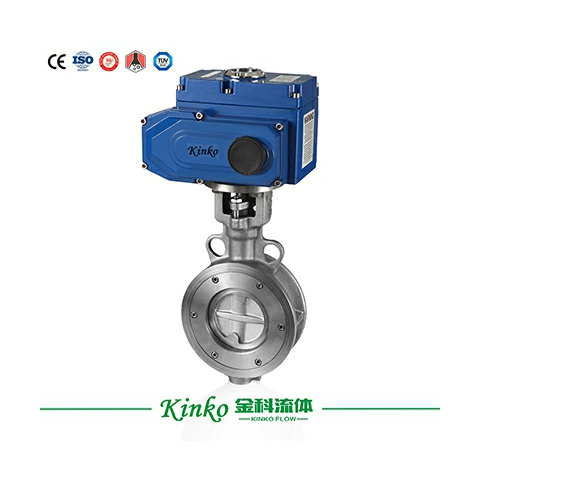
Best for: Sanitary (KBF-SAN series), food processing, pharmaceutical.
4. Seat Material Selection Table – By Media
| Media | Recommended Seat | Not Recommended |
|---|---|---|
| Water (cold/hot) | EPDM | NBR, Silicone |
| Air (compressed) | EPDM | NBR (ozone aging) |
| Steam (low pressure) | EPDM, PTFE | Silicone |
| Steam (high temp) | PTFE, Viton | EPDM |
| Mineral oil | NBR | EPDM, Silicone |
| Diesel / Gasoline | NBR, Viton | EPDM, Silicone |
| Acids (dilute) | EPDM, Viton, PTFE | NBR |
| Acids (concentrated) | PTFE, Viton | EPDM |
| Solvents (toluene, acetone) | Viton, PTFE | EPDM, NBR |
| Caustic (NaOH, KOH) | EPDM, PTFE | NBR |
| Food / Dairy | EPDM (FDA), Silicone | NBR, Viton |
| Pharma (WFI) | PTFE, Silicone | NBR |
| Seawater | EPDM, Hypalon | NBR |
| Ozone / UV exposure | EPDM, Hypalon, Viton | NBR |
| Cryogenic (-196°C) | PTFE (special) | All elastomers |
5. Comparison Matrix – All Seat Materials
| Parameter | EPDM | NBR | Viton | PTFE | Silicone | Hypalon | Butyl |
|---|---|---|---|---|---|---|---|
| Max Temp (°C) | 120 | 90 | 200 | 230 | 200 | 120 | 120 |
| Min Temp (°C) | -40 | -20 | -15 | -40 | -60 | -20 | -20 |
| Oil resistance | Poor | Excellent | Excellent | Excellent | Poor | Fair | Poor |
| Acid resistance | Good | Poor | Good | Excellent | Fair | Good | Excellent |
| Solvent resistance | Poor | Fair | Excellent | Excellent | Poor | Poor | Poor |
| Steam resistance | Good | Poor | Fair | Excellent | Poor | Fair | Good |
| FDA approval | Yes | No | No | Yes | Yes | No | No |
| Abrasion resistance | Good | Good | Good | Fair | Poor | Good | Good |
| Cost | Low | Low | High | Medium | Medium | Medium | Low |
6. Temperature-Based Selection Guide
| Temperature Range | Recommended Materials |
|---|---|
| -60°C to -40°C | Silicone (special), PTFE |
| -40°C to -20°C | EPDM, PTFE, Silicone |
| -20°C to +90°C | All materials (NBR best for oil) |
| 90°C to 120°C | EPDM, Viton, PTFE, Silicone |
| 120°C to 200°C | Viton, PTFE, Silicone |
| 200°C to 230°C | PTFE only |
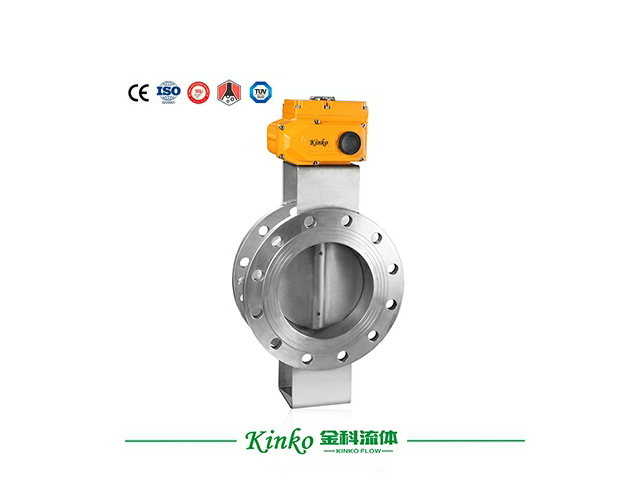
| >230°C | Metal seat (triple offset) |
KINKO note: Above 230°C, move to KBF-TO triple offset with metal seat.
7. Common Failure Modes – And How to Prevent Them
| Failure Mode | Cause | Prevention |
|---|---|---|
| Swelling / softening | Incompatible chemical (e.g., EPDM in oil) | Verify media compatibility |
| Hardening / cracking | High temperature or ozone | Select higher temp material |
| Extrusion | PTFE seat + high pressure | Add backup ring or choose double offset |
| Abrasion (sand/slurry) | Hard particles | Use hardened disc or metal seat |
| Blow-out | Excessive pressure spike | Use lug body for dead-end service |
| Cold flow (PTFE) | High pressure + time | Use reinforced PTFE (RTFE / 25% glass) |
8. KINKO Seat Material Offerings by Series
| Series | Available Seat Materials | Standard | Option |
|---|---|---|---|
| KBF-LT (Concentric) | EPDM, NBR, Viton, Silicone, Hypalon, Butyl | EPDM | NBR, Viton, Silicone |
| KBF-HP (Double Offset) | PTFE, RTFE, PEEK | PTFE | RTFE, PEEK |
| KBF-TO (Triple Offset) | Metal (SS316 + graphite), PTFE laminate | Metal | PTFE laminate |
| KBF-SAN (Sanitary) | EPDM (FDA), Silicone (FDA), PTFE | EPDM | Silicone, PTFE |
10. Procurement Checklist – What to Specify
When ordering butterfly valves with a specific seat material, provide:
| Parameter | Your Value |
|---|---|
| Media (fluid name) | ______ |
| Max temperature (°C) | ______ |
| Min temperature (°C) | ______ |
| Max pressure (PSI / bar) | ______ |
| Chemical concentration (if acid/base) | ______ |
| FDA / sanitary required? | Yes / No |
| Expected cycle life (years / cycles) | ______ |
| Presence of abrasives (sand, slurry)? | Yes / No |
KINKO will verify compatibility and recommend the optimal seat material – including alternative options if the first choice has limitations.
11. Conclusion – Seats Are the Heart of Your Butterfly Valve
The seat material determines whether a butterfly valve will last 10 years or fail in 10 days. Matching the seat to your specific media, temperature, and pressure is not optional – it is essential.
KINKO offers a full range of seat materials across all butterfly valve series, with material certificates and compatibility verification.
Ivan (Mobile:+86-18968769287)
WhatsApp:+86-13579991606
Wechat:+86-18968769287
Website:www.kinko-flow.com
ZHEJIANG KINKO FLUID EQUIPMENT CO.,LTD