Ball Valves for High-Cycle Automation Systems
What is High-Cycle Service?
| Service Class | Cycles per Year | Typical Applications |
|---|---|---|
| Occasional | < 1,000 | Manual isolation, maintenance bypass |
| Standard automated | 5,000 – 50,000 | Process on-off, tank filling |
| High-cycle | 50,000 – 250,000 | Packaging, batching, chemical injection |
| Extreme high-cycle | 250,000 – 1,000,000+ | High-speed filling, continuous cycling |
Kinko focus: Valves rated for 250,000 – 1,000,000+ cycles in automated systems.
5 Critical Requirements for High-Cycle Ball Valves
1. Wear-Resistant Seat Materials
PTFE is standard for general service but wears under continuous cycling. For high-cycle applications, upgrade seat material:
| Seat Material | Max Cycles (Typical) | Friction | Wear Resistance | Best For |
|---|---|---|---|---|
| Virgin PTFE | 20,000 – 50,000 | Very low | Poor | Occasional use |
| RTFE (Reinforced PTFE) | 50,000 – 150,000 | Low | Fair | Standard automated |
| TFMs (modified PTFE) | 100,000 – 250,000 | Low | Good | High-cycle clean service |
| PEEK | 250,000 – 750,000 | Medium | Excellent | High-cycle, abrasive, high temp |
| Metal seat (hardened) | 500,000 – 1,000,000+ | High | Excellent | Extreme duty, high temp |
Kinko recommendation: For >100,000 cycles, specify PEEK or metal seats.
2. Low-Friction Stem & Ball Coatings
Friction creates heat. Heat degrades seats and packing. High-cycle valves require surface treatments to minimize friction:
| Coating / Treatment | Coefficient of Friction | Wear Resistance | Cycle Life Benefit |
|---|---|---|---|
| None (bare SS316) | 0.5 – 0.8 | Poor | Baseline |
| PTFE impregnated | 0.1 – 0.2 | Fair | 2–3x improvement |
| Electroless nickel plating (ENP) | 0.4 – 0.5 | Good | 3–5x improvement |
| Chromium carbide (sprayed) | 0.3 – 0.4 | Excellent | 5–10x improvement |
| DLC (Diamond-like carbon) | 0.05 – 0.1 | Excellent | 10–20x improvement |
Kinko standard: Electroless nickel plating (ENP) on balls for high-cycle service. DLC available for extreme applications.
3. Robust Packing System
Standard packing wears and loosens under cycling. High-cycle valves need:
-
Live-loaded springs – Maintain constant packing compression
-
Low-friction packing rings – PTFE/graphite composites
-
Deep packing box – More packing rings = longer life
| Packing Type | Cycles Before Adjustment | Suitable for High-Cycle? |
|---|---|---|
| Standard PTFE (no spring) | 5,000 – 10,000 | No |
| PTFE with Belleville springs | 50,000 – 100,000 | Yes (light to medium) |
| Graphite with live-loading | 100,000 – 500,000 | Yes (medium to heavy) |
| Low-emission (multiple rings + springs) | 250,000 – 1,000,000 | Yes (all high-cycle) |
4. Cycle-Tested Body & Ball Integrity
High-cycle service exposes every component to fatigue. Critical design features:
-
Forged body (vs cast) – No porosity, consistent grain structure
-
Hardened ball – Maintains spherical geometry
-
Heavy-duty stem – Larger diameter resists fatigue
Kinko validation: All high-cycle ball valves are cycle-tested in-house to minimum 250,000 operations before release.
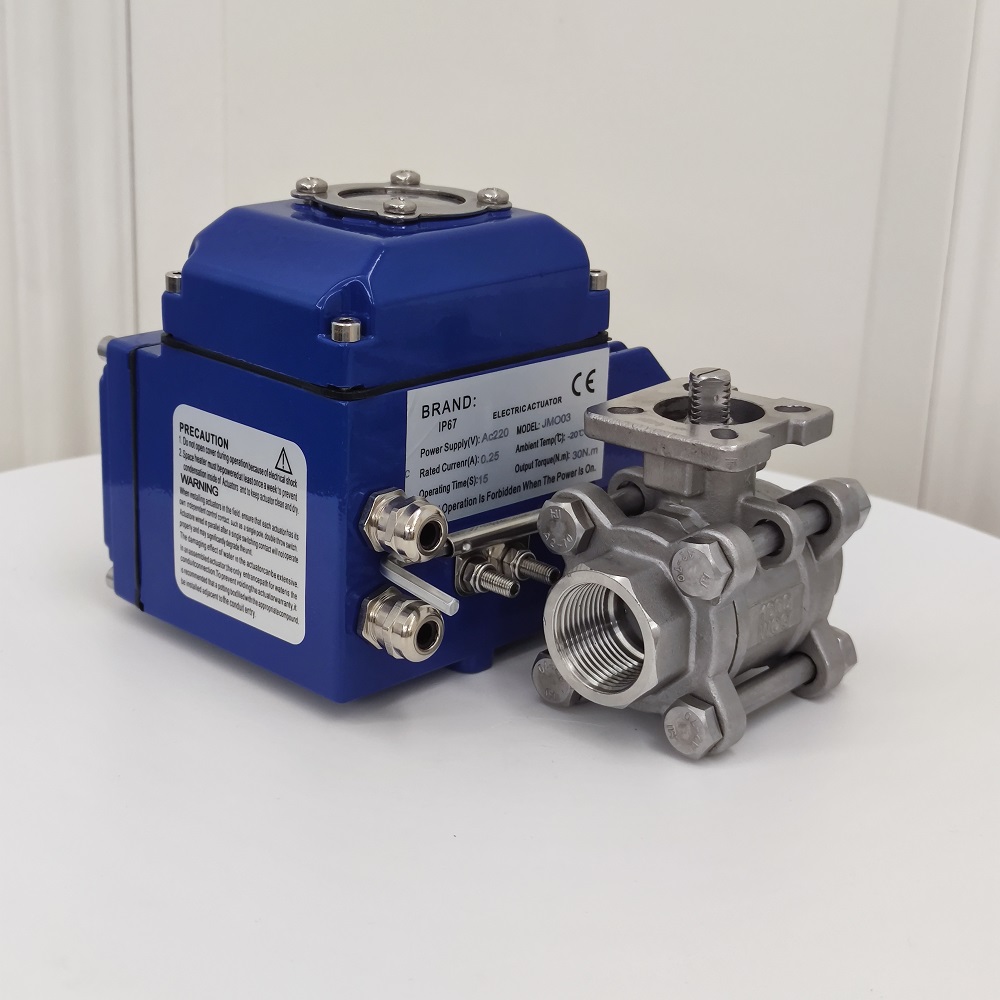
5. Correct Actuator Sizing (Most Common Failure)
Under-sized actuators cause slow cycling, incomplete closure, and premature wear. Over-sized actuators damage seats and stems.
Break torque vs running torque:
-
Break torque (starting to open) = 2–3x running torque
-
Seat friction is highest after long periods closed
Kinko actuator sizing rule for high-cycle:
| Valve Size | Pressure (psi) | Recommended Actuator Torque (in-lbs) | Safety Factor |
|---|---|---|---|
| 1" | 150 | 150–200 | 1.5x |
| 1" | 600 | 250–350 | 1.5x |
| 2" | 150 | 350–500 | 1.5x |
| 2" | 600 | 600–800 | 1.5x |
| 3" | 150 | 700–1,000 | 1.5x |
| 4" | 150 | 1,200–1,800 | 1.5x |
Critical: Always add 50% safety factor for high-cycle service to account for seat wear and temperature variation.
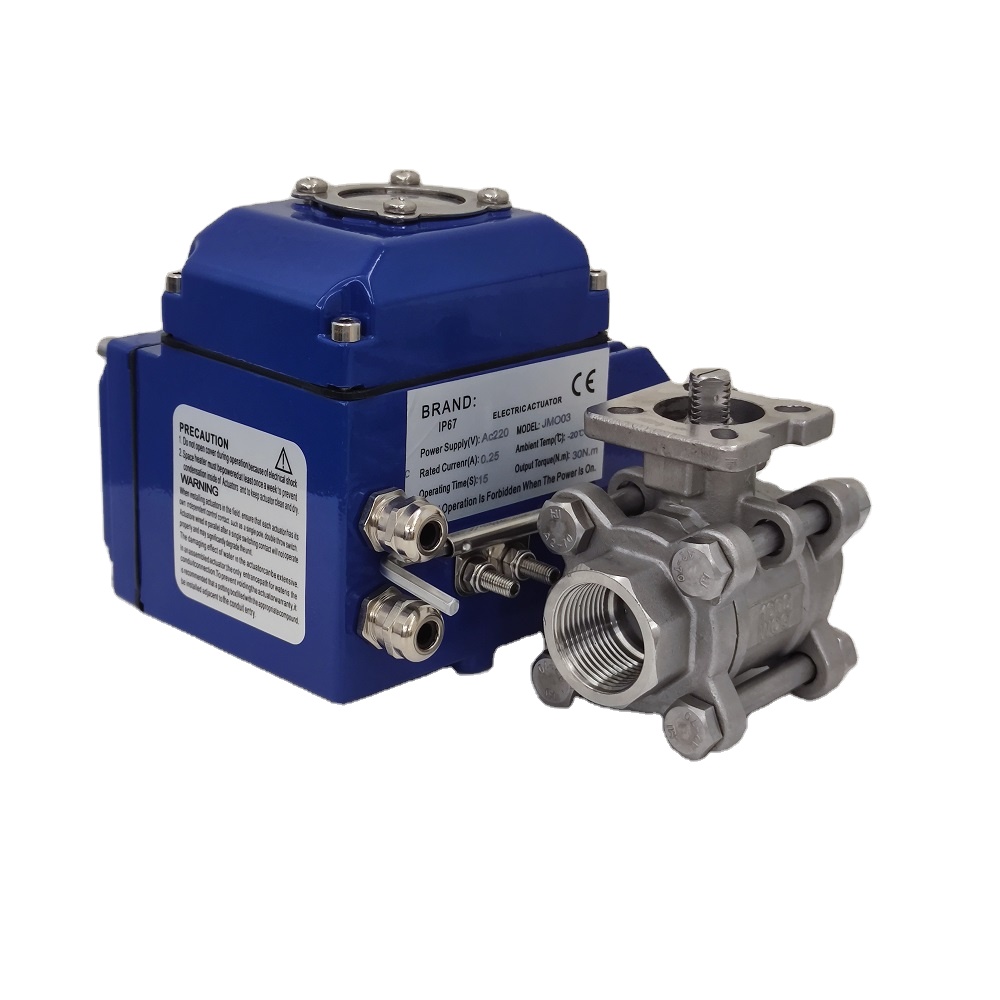
Cycle Life Comparison: Standard vs High-Cycle Ball Valve
| Parameter | Standard Ball Valve | Kinko High-Cycle Ball Valve |
|---|---|---|
| Seat material | Virgin PTFE | PEEK or reinforced TFMs |
| Ball coating | None or light passivation | ENP or DLC |
| Packing | Standard rings | Live-loaded + low-emission |
| Cycle life rating | 20,000 – 50,000 | 250,000 – 1,000,000 |
| Maintenance interval | 10,000 – 20,000 cycles | 100,000 – 200,000 cycles |
| Torque drift over life | +50 – 100% | +10 – 20% |
| Suitable for 24/7 operation | Marginal | Yes |
Actuator Types for High-Cycle Ball Valves
| Actuator Type | Cycle Speed | Duty Cycle | Best For |
|---|---|---|---|
| Pneumatic (rack & pinion) | 0.5 – 3 seconds | Up to 60 cycles/min | Most high-cycle applications |
| Electric (quarter-turn) | 1 – 10 seconds | Up to 30 cycles/min | Precise control, no compressed air |
| Pneumatic (scotch yoke) | 1 – 5 seconds | Up to 40 cycles/min | Large valves, high break torque |
| Solenoid direct-mount | 0.1 – 0.5 seconds | Up to 120 cycles/min | Small valves, ultra-high speed |
Kinko recommendation: For >30 cycles/minute, use solenoid pilot valves mounted directly to actuator to minimize signal lag.
Typical High-Cycle Applications & Valve Requirements
| Application | Cycles/Year | Seat Material | Actuator Type | Special Requirement |
|---|---|---|---|---|
| Beverage filling machine | 500,000 – 1,000,000 | PEEK | Pneumatic | Sanitary finish |
| Chemical batch injection | 100,000 – 300,000 | RTFE | Electric | Explosion-proof |
| Pharmaceutical tablet press | 200,000 – 500,000 | TFMs | Pneumatic | Cleanroom compatible |
| Oil well chemical injection | 50,000 – 150,000 | PEEK | Pneumatic | High pressure (10K psi) |
| Automated packaging (gas flush) | 300,000 – 600,000 | PTFE (reinforced) | Pneumatic | Low torque |
Maintenance for High-Cycle Ball Valves
Even quality high-cycle valves need planned maintenance:
| Cycle Count | Action |
|---|---|
| 50,000 | Inspect packing leakage – adjust if needed |
| 100,000 | Measure break torque – compare to baseline |
| 200,000 | Replace seats (PTFE/RTFE) – PEEK lasts longer |
| 500,000 | Full rebuild (seats, seals, packing, ball inspection) |
Pro tip: Track cycle count via PLC counter. Schedule maintenance by cycles, not calendar time.
Common High-Cycle Failure Modes & Prevention
| Failure Mode | Root Cause | Kinko Solution |
|---|---|---|
| Seat wear / leakage | Soft seat material | PEEK or metal seat |
| Stem leakage | Packing loosens | Live-load springs |
| High / erratic torque | Ball surface degradation | ENP or DLC coating |
| Actuator failure | Under-sized | 1.5x safety factor |
| Body leakage | Cast porosity | Forged body |
Kinko High-Cycle Ball Valve Specifications
| Parameter | Kinko High-Cycle Series (Model KFV-HC) |
|---|---|
| Size range | 1/4" – 6" (DN8 – DN150) |
| Pressure rating | Class 150 – Class 1500 |
| Cycle life rating | 500,000 cycles minimum |
| Seat options | PEEK, TFMs, Reinforced PTFE |
| Ball coating | Electroless nickel plating (standard) / DLC (optional) |
| Packing | Live-loaded, low-emission (ISO 15848 ready) |
| Body construction | Forged (1/2" – 2") / Investment cast (3" – 6") |
| Actuator mounting | ISO 5211 direct mount (no bracket) |
| Test protocol | 100,000 cycle test (included) |
Selection Checklist for High-Cycle Ball Valves
Before specifying, answer these questions:
-
Expected cycles per year? (If >50,000, specify high-cycle design)
-
Temperature? (>150°C → PEEK or metal seats only)
-
Required cycle speed? (>30 cycles/min → high-speed pneumatic)
-
Is downtime critical? (Yes → dual valve configuration or quick-change design)
-
Explosive environment? (Yes → explosion-proof actuator + anti-static valve)
Ivan (Mobile:+86-18968769287)
WhatsApp:+86-13579991606
Wechat:+86-18968769287
Website: www.kinko-flow.com
ZHEJIANG KINKO FLUID EQUIPMENT CO.,LTD
